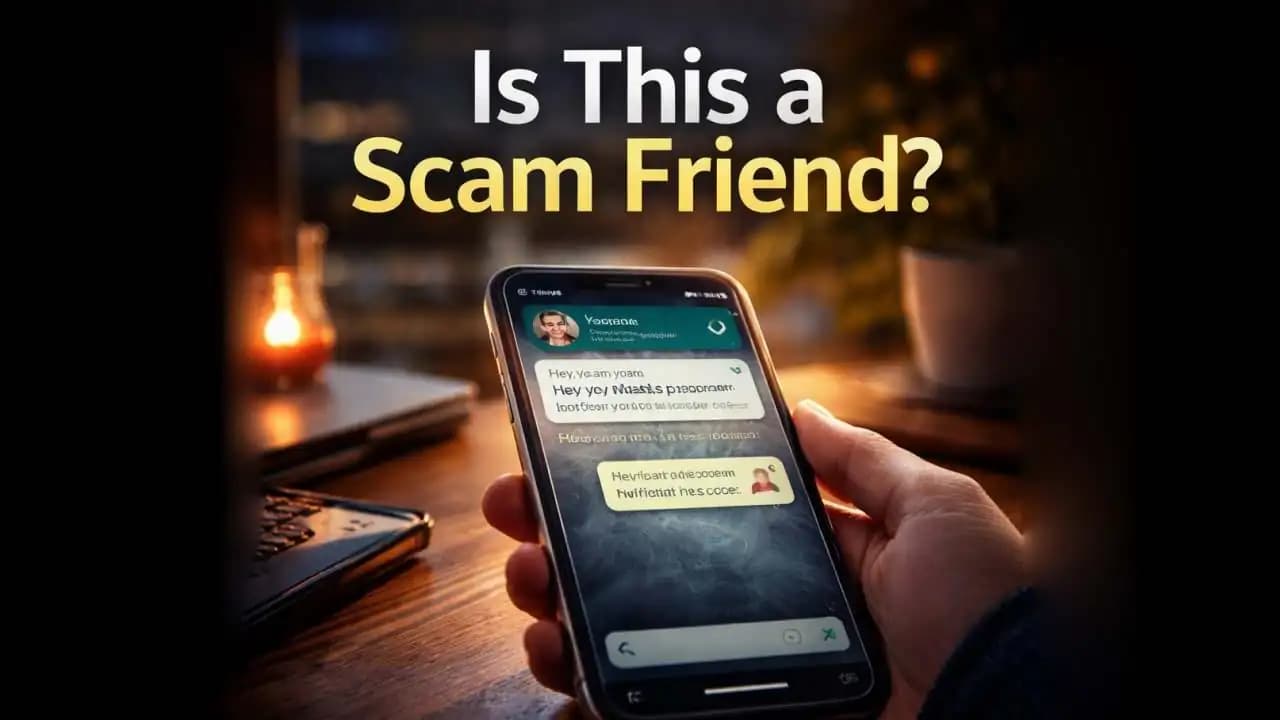
WhatsApp impersonation scam messages often begin in a way that feels completely normal. You might receive a message from someone who appears to be a friend, coworker, or family member asking for quick help. Sometimes they say they lost their phone, need a verification code, or urgently need money. At first glance, nothing seems unusual until you realize the message did not come from the real person.
In recent months, many smartphone users have reported this strange experience. A familiar name appears in WhatsApp, the conversation feels casual, and the Request sounds believable. Only later do people discover that scammers were pretending to be someone they trust.
Understanding how this scam works can help you recognize it early and avoid Becoming another victim.
A Situation Many WhatsApp Users Are Experiencing
Imagine this scenario.
You receive a WhatsApp Message from someone saved in your contacts.
The message might say something like:
“Hey, I’m in a bit of trouble. Can you help me quickly?”
You reply, asking what happened.
Then the message continues:
“I lost access to my other phone. WhatsApp will send a code to your number. Please forward it to me so I can log back in.”
In another variation, the message may ask for money:
“I need to pay something urgently. Can you transfer ₹3000? I’ll return it later.”
Because the Message (1) appears to come from a friend, people often respond without thinking twice.
But in reality, the real friend never sent the message.
This is a classic example of a WhatsApp impersonation scam.
Why People Are Suddenly Seeing These Messages
There are a few Reasons why this scam has become more common in recent years.
First, scammers no longer rely only on random messages. Instead, they try to exploit trust between people.
If a scammer can impersonate someone you know, your guard is naturally lower.
Second, attackers often collect information from Social Media platforms. Public friend lists, profile Photos, and visible phone numbers make it easier for scammers to mimic real identities.
In many cases, the scam begins after one Account is compromised.
For example:
- A victim unknowingly shares a verification code.
- The attacker takes control of their WhatsApp account.
- The scammer immediately messages everyone in that contact list.
This creates a chain reaction where each compromised Account becomes a tool for targeting others.
Reports of these scams increased significantly during 2024 and early 2025, particularly in regions where WhatsApp is widely used for everyday communication.
Warning Signs That the Message May Not Be Real
Many People only realize the scam after something feels slightly off.
There are several Warning signs that can help you Identify a WhatsApp impersonation Attempt.
The message creates urgency
Scammers often push for quick decisions.
They may say things like:
- “I need help immediately.”
- “Please do this quickly.”
- “I can’t talk right now.”
Urgency is used to stop people from verifying the request.
The request involves verification codes
One of the most common tricks involves asking for a WhatsApp verification code.
No legitimate situation requires you to send your WhatsApp login code to someone else.
That code is designed to protect your account.
The tone feels slightly unusual
Even when scammers try to imitate someone you know, small Details can reveal the truth.
For example:
- The wording feels different.
- The person avoids voice calls.
- The conversation feels rushed.
These small clues often appear Before the scam becomes obvious.
They refuse to confirm their identity
If you ask something like:
“Can I call you?”
Scammers usually avoid it.
They may say their Microphone is broken or that they cannot talk.
That hesitation is often a clear sign something is wrong.
Why This Situation Can Be Dangerous
At first glance, the request may seem harmless.
But responding to these Messages can lead to serious consequences.
If a victim shares a verification code, the scammer can take control of the WhatsApp account.
Once inside, they can:
- Message everyone in the victim’s contact list
- Request money from friends and family
- Spread additional scams
- Lock the real owner out of their account
In other cases, scammers directly Request money transfers Through digital payment apps.
Because the message Appears to come from someone trusted, victims may send money without hesitation.
This combination of trust and urgency is exactly what scammers rely on.
How This Scam Has Evolved in Recent Years
Earlier versions of Online scams were often easy to recognize.
Messages contained spelling mistakes or came from unknown numbers.
But scams have become more sophisticated.
By 2024 and 2025, attackers began focusing heavily on social engineering.
Instead of attacking systems, they manipulate human behavior.
Some newer techniques include:
- Using profile photos stolen from social media
- Copying writing styles from previous conversations
- Creating fake emergencies
- Pretending to switch to a “new number”
One common message now looks like this:
“Hi, this is my new number. Save it and message me here.”
Once someone responds, the scammer gradually builds trust before Asking for help.
This slower approach makes the scam more convincing.
Simple Ways to Protect Yourself
The good news is that avoiding this scam is often straightforward once you know the signs.
Always verify unusual requests
If someone you know Suddenly asks for money or Verification codes, pause.
Try contacting them through another method.
Call their original number or reach them through another app.
Never share WhatsApp verification codes
Your verification code is meant only for logging into your own device.
Sharing it with anyone else can give them Access to your Account.
Enable WhatsApp two-step verification
WhatsApp provides a feature called two-step verification.
This adds an extra PIN code required to log into your account.
It significantly reduces the risk of account takeover.
Be cautious with new numbers
If a contact claims they changed their number, confirm it before trusting the conversation.
A quick phone call can prevent a serious problem.
Warn friends and family
Many victims only discover the scam after someone alerts them.
If you notice Suspicious messages from a friend’s account, let them know Immediately.
Why Awareness Is the Best Defense
The WhatsApp impersonation scam works because it feels personal.
Instead of targeting strangers, scammers try to insert themselves into everyday conversations between friends.
When people are busy, distracted, or trying to help someone they trust, they may not stop to question the situation.
But a brief pause can make a big difference.
Simply asking:
“Is this really you?”
can stop the scam before it begins.
As these scams continue appearing in 2024 and 2025, awareness is becoming one of the most effective ways to stay safe.
Understanding how these messages work helps users recognize them early before any damage occurs.
Frequently Asked Questions
What is a WhatsApp impersonation scam?
A WhatsApp impersonation scam occurs when someone pretends to be a friend, family member, or trusted contact to trick victims into sending verification codes, money, or personal information.
How do scammers get access to WhatsApp accounts?
In many cases, scammers obtain access when a victim unknowingly Shares a WhatsApp verification code. Once inside the account, attackers can message Contacts and continue the scam.
What should I do if I receive a suspicious WhatsApp message from a friend?
Pause and verify the message. Try calling the person directly or contacting them through another platform before responding to any requests.
Can someone steal my WhatsApp account without my verification code?
It is difficult for attackers to take control of an account without the verification code. However, phishing attempts or social engineering tricks may try to convince users to share that code unknowingly.