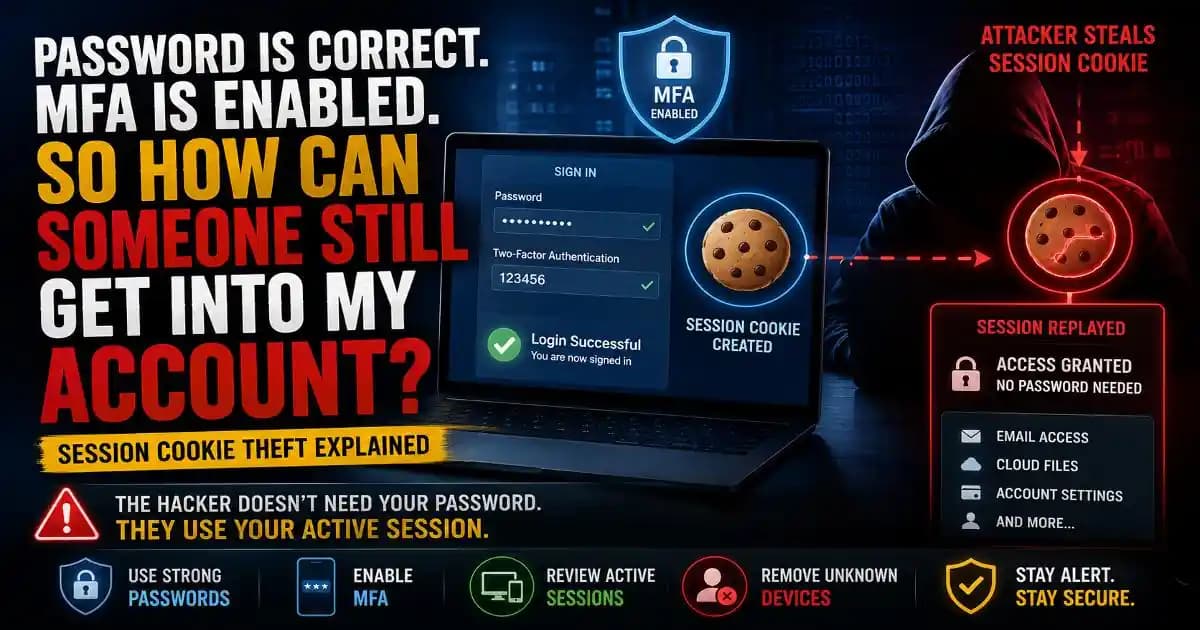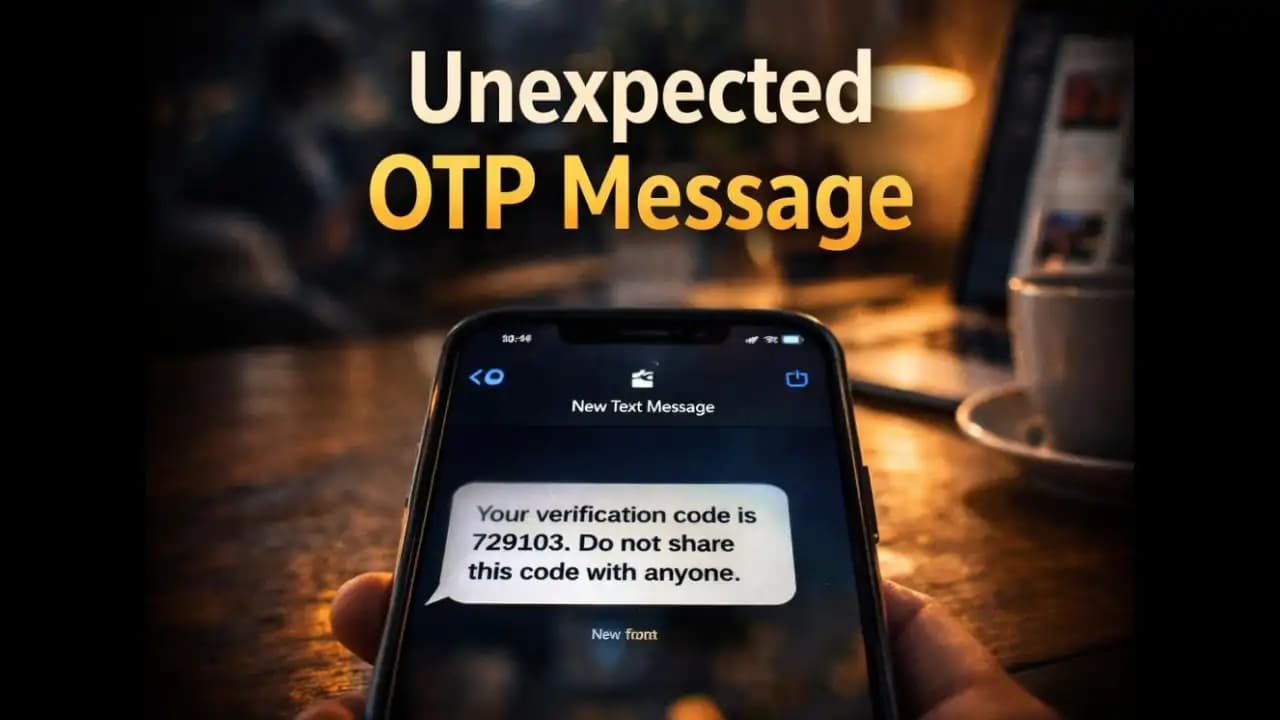
Unexpected OTP message notifications can appear at the most confusing moments. Your phone buzzes with a verification code from your bank, email service, or social media account even though you never tried to log in. At first, many people assume it’s a harmless glitch or a delayed message. But in some cases, that single unexpected code can be an early warning that someone else is attempting to access your account.
For many smartphone users, this situation has become surprisingly common over the past year. Understanding why it happensand what to do nextcan help you respond calmly and protect your Accounts.
A Situation Many Smartphone Users Have Experienced
Imagine this scenario.
It’s a normal evening. You’re watching a video or scrolling Through social media when your phone vibrates.
A text message appears:
“Your verification code is 384921. Do not share this code with anyone.”
You pause.
You weren’t trying to log in to anything.
A few minutes later, another code arrives.
“Use 117044 to verify your account.”
Now it starts to feel strange.
Some people ignore the Messages. Others start wondering if someone typed their phone number by mistake. But in many cases, these messages are triggered because someoneor somethingis trying to access your account.
The OTP system is doing its job by sending a Verification code. The problem is that you didn’t initiate the login request.
Why People Are Suddenly Receiving OTP Codes They Never Requested
There are several reasons why an unexpected OTP Message might appear on your phone.
Not all of them mean your Account has been Hacked. But they do suggest that something unusual is happening Behind the scenes.
Someone Tried to Log In Using Your Phone Number
The most common explanation is simple.
Someone entered your phone number while trying to access an account that uses two-factor authentication (2FA).
When this Happens, the service sends a one-time password (OTP) to the registered phone number.
If the person attempting the login doesn’t have Your Phone, they won’t Receive the code. That’s the Security layer working as intended.
Automated Login Attempts
Another possibility is automated login attempts.
Cybercriminals sometimes use software that tries to log into large numbers of accounts using leaked email addresses or phone numbers. This is often called credential stuffing.
If your number is connected to one of those Accounts, the login attempt can trigger an OTP Message.
Someone Entered the Wrong Number
Occasionally, the explanation is less dramatic.
A user trying to create an account or reset a password may simply type the wrong phone number.
If your number was entered by mistake, you’ll receive the Verification code even though you didn’t Request it.
A Phishing Attempt Is Coming Next
In some scams, the unexpected OTP Message is only the first step.
After the code arrives, a scammer might contact you directly Through WhatsApp, SMS, or a phone call.
They may say something like:
“Hi, I accidentally sent a verification code to your number. Could you please send it back to me?”
That request is the real trap.
Warning Signs That the OTP Situation Is Not Normal
Most People receive verification codes occasionally. But certain patterns Should raise concern.
Multiple OTP Messages in a Short Time
If several codes arrive within minutes, it may mean someone is repeatedly attempting to log in.
This is often seen during automated attacks.
Codes From Services You Don’t Use
If the OTP message comes from a service you’ve never usedsuch as a payment platform or unfamiliar appit may indicate someone is trying to create an account using your phone number.
Someone Contacts You Asking for the Code
This is a major red flag.
No legitimate company will ask you to forward a verification code.
If someone asks for it, the safest response is to ignore the request completely.
OTP Messages Combined With Password Reset Alerts
Sometimes OTP messages arrive Together with emails saying your password was reset or login attempts were detected.
This combination suggests someone is actively trying to break into your account.
Why an Unexpected OTP Message Can Be a Serious Warning
At first glance, receiving a code might not seem Dangerous. After all, the attacker still needs the OTP to complete the login.
But the message itself reveals something important: someone is targeting your account.
That can matter for several reasons.
Your Phone Number May Be Publicly Available
If someone is trying to log into your account using your phone number, it means they already know that number.
Phone numbers often appear in leaked databases, Online directories, or old data breaches.
Attackers May Already Have Part of Your Login Information
In some cases, criminals already know your email address or password from previous breaches.
The OTP is the final barrier preventing them from Accessing the account.
Social Engineering Often Follows
Once attackers know that a phone number is active, they sometimes attempt follow-up scams.
This can include:
- fake bank calls
- phishing messages
- WhatsApp impersonation scams
The goal is usually the same: convince the user to reveal the code.
How OTP Scams Have Evolved in 2024–2025
Over the past year, digital security experts have noticed a shift in how attackers exploit OTP systems.
Instead of trying to break technical protections directly, many scams now rely on human behavior.
For example, attackers may trigger OTP Messages intentionally and then contact the victim pretending to be:
- a bank representative
- a delivery service
- a customer support agent
They may say something like:
“We are verifying your account activity. Please confirm the code sent to your phone.”
Because the code already arrived, the message feels believable.
Reports throughout 2024 and early 2025 show a steady rise in scams that combine OTP messages with social engineering. The technology itself remains securethe weakness often lies in how people interpret unexpected messages.
What You Should Do If You Receive an OTP You Didn’t Request
The good news is that handling this situation is usually simple.
Do Not Share the Code
This is the most important rule.
Verification codes should never be shared with anyone, regardless of what they claim.
Check Your Account Activity
If the OTP came from a service you use, open the official app or website and check for unusual login attempts.
Many services show recent access history.
Change Your Password If You Feel Unsure
If multiple OTP messages appear or login alerts follow, changing your password can add another layer of protection.
Choose a strong and unique password.
Enable Two-Factor Authentication
If you’re not already using 2FA, enabling it can significantly reduce the risk of unauthorized access.
Even if someone knows your password, they won’t be able to log in without the verification code.
Ignore Messages Asking for the Code
If someone contacts you Asking for the OTPeven politelyit is almost certainly a scam.
Legitimate companies never request verification codes through chat messages or phone calls.
A Small Message That Should Never Be Ignored
An unexpected OTP message doesn’t Automatically mean your account has been hacked. In many cases, it’s simply a failed login attempt or a typing mistake.
But it’s still a signal worth paying attention to.
That small message tells you that your phone number is being used somewhereby someone. Taking a moment to review your account security and stay cautious about sharing codes can make a big difference.
Most online security systems rely on simple steps working together: passwords, verification codes, and user awareness.
When those layers work together, even determined attackers usually fail.
FAQs
Why did I receive an OTP message if I didn’t request one?
An OTP message usually appears because someone attempted to log into an account linked to your phone number. It may be a mistake, an automated login attempt, or a potential scam setup.
Can someone access my account if they trigger an OTP message?
No. The OTP system is designed to stop unauthorized access. Without the verification code sent to your phone, the login cannot be completed.
What should I do if someone asks me for the OTP code?
Never share the code with anyone. Legitimate companies will never ask for your OTP through calls, texts, or chat messages.
Should I change my password after receiving an unexpected OTP message?
If you receive multiple codes or notice other Suspicious Activity, it’s a good idea to change your password and review your account security settings.