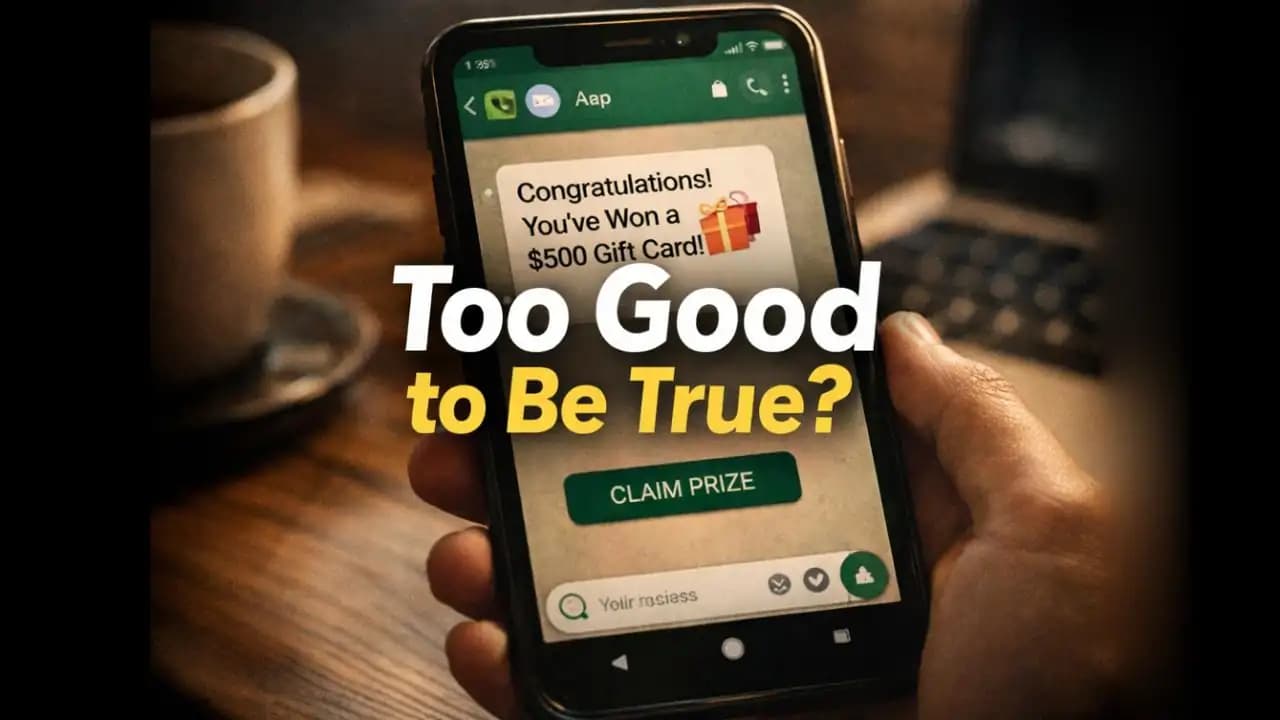
WhatsApp prize scam messages are still circulating widely, often arriving as a cheerful “Congratulations! You’ve been selected as today’s lucky winner.” The message might appear in a family group chat, a forwarded message from a friend, or even a private message from someone you trust. It promises gift cards, smartphones, or shopping vouchers sometimes claiming they come from well-known companies.
At first glance, it feels harmless. After all, the Message looks friendly and exciting. But thousands of smartphone users discover too late that these “prize notifications” are actually part of a long-running scam designed to steal information, spread malware, or generate fraudulent advertising revenue.
Understanding how these Messages workand why they keep resurfacingcan help you recognize them instantly the next time they appear on your phone.
The Situation Many WhatsApp Users Are Experiencing
For many people, the experience begins with a Simple notification.
A WhatsApp message pops up saying something like:
“🎉 Congratulations! Your phone number has been selected to receive a free reward worth $500. Claim your prize now before it expires.”
Sometimes the Message (1) appears in a group chat, where several people see it at once. Other times it’s sent directly by a contact whose account may already be compromised.
When users tap the link, they’re taken to a colorful page that looks like a promotional giveaway. The page might show spinning wheels, countdown timers, or questions like:
- “Answer 3 quick questions to confirm your prize.”
- “Only 5 rewards left for today!”
- “Share with 10 friends on WhatsApp to unlock your reward.”
Everything is designed to create urgency and excitement. And in many cases, people assume the Message again is legitimate because it arrived through WhatsApp rather than a random website.
But the reward almost never exists.
Why People Are Suddenly Seeing These Messages Again
The WhatsApp prize scam is not new. In fact, versions of it have circulated for years. But in recent months, many users have noticed the Messages appearing again across different groups and Contacts.
There are several reasons for this resurgence.
First, Scammers constantly recycle old tactics that still work. Even if most people ignore the Message, a small percentage will still click the link. That’s enough to keep the scam profitable.
Second, scammers now automate message distribution. If a victim interacts with the scam page or grants certain Permissions, their Account may Automatically send the same message to their Contacts.
Third, scammers frequently rebrand the giveaway. One week the message might claim a supermarket promotion, the next week it might promise airline tickets or smartphone prizes.
These rotating themes make the scam look neweven though the underlying trick is the same.
Warning Signs That the Message Is Not Legitimate
Although the Messages try to look convincing, they usually contain several clear Warning signs.
1. The Message Feels Random
Most legitimate promotions require users to sign up or participate in a specific campaign. If you Suddenly Receive a message saying you’ve won a reward without entering anything, that’s Suspicious.
2. The Link Looks Unfamiliar
Scam links often use unusual domain names such as:
- randomrewardtoday.com
- prize-claim-center.net
- whatsapp-bonus-offer.xyz
Real companies almost always use their official websites.
3. Urgent Time Limits
Scam messages often say things like:
- “Claim in 5 minutes.”
- “Only a few prizes left.”
This urgency is meant to prevent users from thinking carefully.
4. Requests to Share the Message
Many versions of the scam require users to forward the message to multiple contacts Before claiming the reward.
This tactic spreads the scam quickly across WhatsApp networks.
5. Too-Good-To-Be-True Rewards
If the message promises expensive phones, large gift cards, or luxury items with no clear explanation, it’s very likely a scam.
Why These Scams Can Be Dangerous
At first glance, these prize messages may seem harmless. Some people assume the worst outcome is simply wasting a few minutes.
But the risks can be much more serious.
Personal Data Collection
Many scam pages ask users to enter Personal information such as:
- Name
- Phone number
- Email address
- Home address
This data can later be used for phishing attacks or sold to other scammers.
Subscription Traps
Some pages secretly subscribe users to paid SMS services. Victims may later notice unexpected charges on their Mobile bill.
Malicious Apps
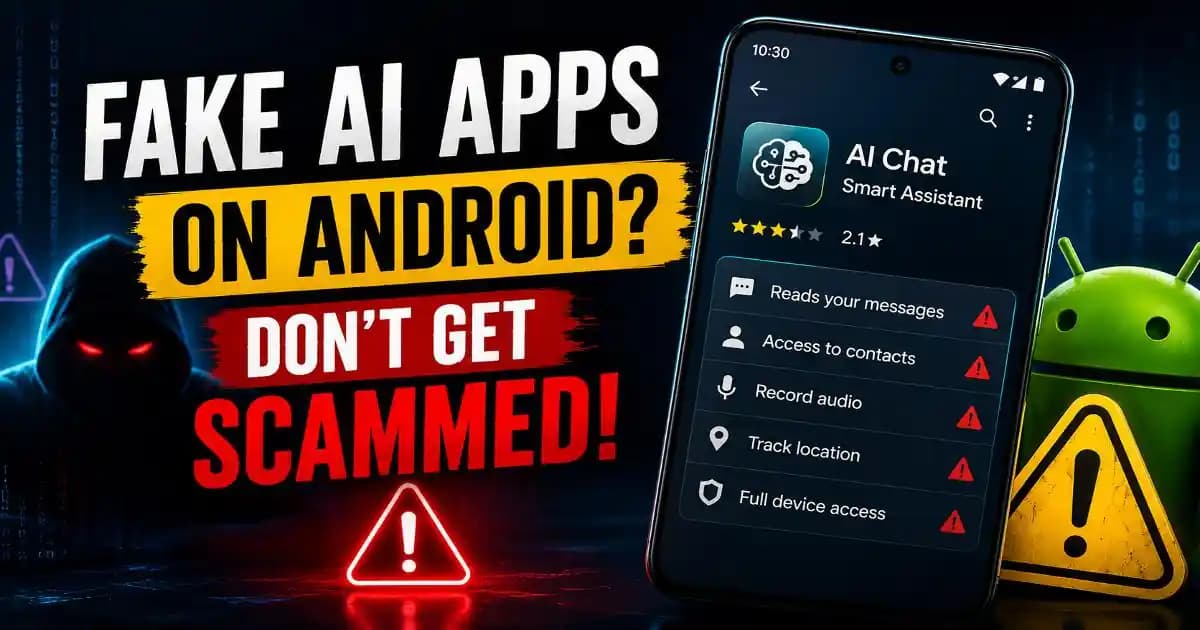
In some cases, users are prompted to download an app to “complete Verification.” These apps may contain malware that steals data or displays intrusive ads.
Account Takeovers
If scammers gain access to a victim’s account, they can send the same scam message to all contacts, making the message appear more trustworthy.
How the WhatsApp Prize Scam Has Evolved (2024–2025)
Over the past two years, the scam has become more sophisticated.
Instead of basic text messages, scammers now use visually polished pages with logos, animations, and fake comments from “recent winners.”
Some pages even display messages such as:
“Anna from London just claimed her reward!”
“3 people are viewing this offer right now.”
These fake Activity notifications are designed to create Social proof and make the offer feel legitimate.
Another noticeable trend in 2024 and 2025 is the use of regional promotions. The scam page might appear in the user’s language or reference local stores and brands.
This localization makes the scam feel more believable to everyday smartphone users.
Simple Ways to Protect Yourself
The good news is that avoiding these scams is usually straightforward once you recognize the pattern.
Pause Before Clicking
If a message claims you’ve won a reward you never entered to win, take a moment before tapping the link.
Exciting offers often rely on quick reactions.
Check the Website Carefully
Look closely at the web address. Official promotions almost always appear on the company’s verified domain.
Avoid Sharing the Message
If a page asks you to forward the message to multiple contacts, that’s a strong sign it’s a scam.
Legitimate companies rarely require this.
Don’t Enter Personal Information
If the page asks for personal details before explaining the promotion clearly, it’s safer to close the page Immediately.
Report Suspicious Messages
WhatsApp allows users to report suspicious Accounts or messages directly in the app. Reporting helps reduce the spread of scams.
A Simple Habit That Can Prevent Many Scams
One reason the WhatsApp prize scam continues to spread is that people often assume messages from friends are safe.
But when an account is compromisedor when someone unknowingly forwards a scamthe message may still look trustworthy.
Developing a simple habit can help:
Treat unexpected reward messages with healthy skepticism, even if they come from someone you know.
Taking a few seconds to Verify a message can prevent hours of frustrationor worse, financial loss.
As Messaging apps continue to grow, scammers will keep experimenting with new variations of old tricks. Staying aware of how these scams work is one of the most effective ways to stay safe online.
FAQ
What is a WhatsApp prize scam?
A WhatsApp prize scam is a fraudulent message claiming that users have won a reward or giveaway. The message usually contains a link directing users to a fake website designed to collect personal information or spread the scam further.
Can someone hack my phone through a WhatsApp prize message?
In most cases, simply receiving the message is not Dangerous. However, clicking suspicious links or downloading unknown apps from those pages can expose your phone to malware or data theft.
Why do these prize messages ask me to share them with friends?
Scammers use forwarding requirements to spread the message rapidly. When users send the message to multiple contacts, the scam reaches new potential victims without the scammer doing extra work.
What should I do if I already clicked the link?
If you clicked the link but didn’t enter personal information, simply close the page. If you submitted details or downloaded something, consider scanning your device for malware and monitoring your accounts for unusual activity.