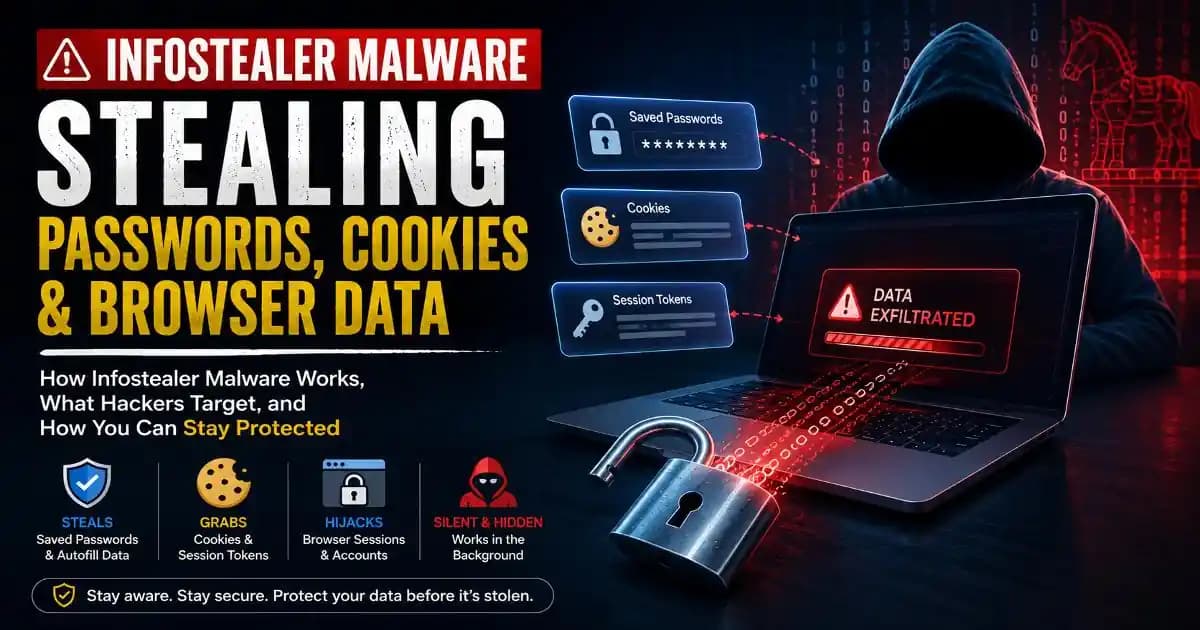
Clicked suspicious link on phone it happens faster than most people expect. Maybe the message looked like it came from your bank, a delivery service, or even a friend on WhatsApp. You tap the link without thinking, the page loads for a second, and then something feels off. The site looks strange, or it redirects somewhere unexpected. At that moment, many people wonder the same thing: Did I just compromise my phone or personal data?
The good news is that clicking a suspicious link doesn’t always mean your device is infected. But it is a moment when awareness and quick action matter. Understanding what typically happens next and what steps you can take can help reduce the risk.
A Situation Many Smartphone Users Recognize
Imagine this common scenario.
You receive a text Message that appears to come from a delivery company.
The message says:
“Your package could not be delivered today. Confirm your address here: [link]”
It feels believable. Many people order online regularly, so the message doesn't Immediately raise suspicion.
You tap the link.
A page opens Asking you to enter your name, phone number, or even payment details for a “redelivery fee.”
Only after a few seconds do you realize something might be wrong.
Or maybe it happens on WhatsApp.
A friend sends you a message that says:
“Is this you in this video?”
followed by a link.
Curiosity takes over, and you tap.
Moments later, you begin to wonder if the link was safe.
These situations are increasingly common because attackers rely on quick reactions and normal human curiosity.
Why Suspicious Links Appear So Often
Most dangerous links arrive through Message (1)s that feel familiar.
Attackers understand how people use their phones every day, and they design Messages around those Habits.
Some of the most common sources include:
SMS messages
Fake Package alerts, tax notices, or Account Verification Requests.
Messaging apps
Links sent Through WhatsApp, Telegram, or Social Media Accounts that may have been compromised.
Email notifications
Messages pretending to be from banks, streaming services, or Online stores.
The goal is not always to infect your phone immediately.
Sometimes the goal is simply to convince you to enter personal information on a fake website.
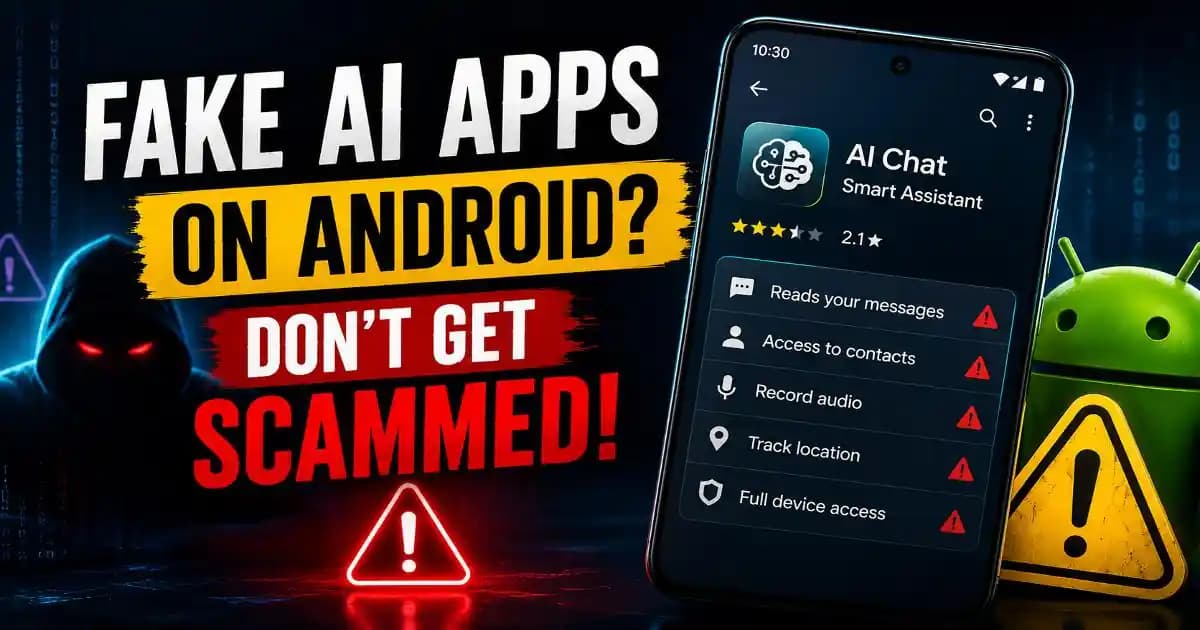
Other times, attackers try to trick users into Installing harmful apps.
Because Smartphones are used constantly throughout the day, people often tap links without stopping to examine them carefully.
Signs the Link You Clicked May Have Been Dangerous
After clicking a link, certain Warning signs may indicate something isn’t right.
Here are some common examples users report noticing.
The page looks unfamiliar or poorly designed
Legitimate Websites usually have consistent branding and secure connections.
Suspicious pages may look slightly off or contain spelling errors.
The site asks for sensitive information immediately
For example:
- Login credentials
- Credit card numbers
- One-time verification codes
A page Asking for these details unexpectedly should raise caution.
The link redirects multiple times
Some malicious links jump through several web pages before landing on the final destination.
A file or app download starts automatically
This can sometimes happen when attackers try to install malicious software.
The website address looks unusual
For example:
bank-secure-login.xyz
delivery-update-center.info
These domains often imitate legitimate companies but are not connected to them.
Recognizing these signals helps determine whether the link might have been malicious.
Why Clicking a Suspicious Link Can Be Risky
Clicking a suspicious link does not always lead to immediate harm.
However, several risks may occur depending on what the link was designed to do.
Phishing attacks
Many links lead to fake login pages designed to steal usernames and passwords.
Financial scams
Some pages ask for payment details under the pretense of fees, taxes, or subscription renewals.
Malicious downloads
In certain cases, links attempt to download harmful apps or files.
Tracking and profiling
Some links simply collect device information to identify potential targets for future scams.
What matters most is what happens after clicking.
If no information is entered and no downloads occur, the risk is often lower.
Still, it’s wise to take a few precautionary steps.
How These Attacks Have Changed in 2024–2025
Over the past year, Security experts have noticed several changes in how suspicious links are used.
Messages look more realistic
Scammers increasingly imitate real companies with convincing logos, language, and formatting.
Shortened links are widely used
Services that shorten URLs can hide the real destination.
For example:
bit.ly/3x2k8a
tinyurl.com/update-account
These links make it harder to see where the page leads.
Compromised accounts spread malicious links
In some cases, attackers gain Access to real messaging Accounts and send links to Contacts.
Because the message appears to come from someone familiar, recipients are more likely to click.
Mobile-first phishing
Many phishing pages are now designed specifically for smartphones, making them look legitimate on smaller screens.
These changes explain why suspicious links are becoming more difficult to recognize.
What You Should Do If You Clicked a Suspicious Link
If you realize you may have clicked a suspicious link, staying calm and taking a few steps can help protect your device and accounts.
1. Close the page immediately
If the website looks suspicious, close the browser tab or app right away.
Do not interact with the page further.
2. Do not enter personal information
If the page asks for login credentials, payment information, or Verification codes, avoid entering anything.
3. Clear your browser data
Clearing browsing history and cookies can remove Tracking elements placed by malicious websites.
4. Run a security scan
If your phone has a built-in security scanner or Mobile security app, running a scan can help identify potential threats.
5. Update your apps and system
Keeping your device updated ensures you have the latest security protections.
6. Change passwords if necessary
If you entered login credentials on the suspicious page, change your password Immediately from the official website or app.
Using strong, unique passwords reduces the risk of further compromise.
A Small Pause Can Prevent Bigger Problems
In today’s digital world, links arrive constantly through messages, emails, notifications, and social media posts.
Most of them are harmless.
But a small number are designed to exploit quick reactions.
The moment after you click a suspicious link on your phone can feel unsettling, but it is also an opportunity to act carefully.
Taking a moment to close the page, review what happened, and secure your accounts can significantly reduce the risk.
Digital safety rarely depends on a single action. Instead, it grows from small habits pausing before clicking, verifying unfamiliar messages, and staying aware of common online scams.
Those habits make smartphones far safer tools in everyday life.
Frequently Asked Questions
What happens if I click a suspicious link on my phone?
In many cases, nothing Happens immediately. However, some links lead to phishing websites, malicious downloads, or tracking pages. The risk depends on whether you entered information or downloaded anything.
Can clicking a link alone infect my phone?
It is uncommon but possible. Some malicious websites attempt to exploit vulnerabilities in outdated browsers or apps. Keeping your device updated significantly reduces this risk.
What should I do if I entered my password on a suspicious website?
Change your password immediately using the official website or app. If the account contains sensitive information, consider enabling two-factor authentication for additional protection.
How can I recognize suspicious links in messages?
Look for unusual website addresses, urgent requests for personal information, unexpected delivery alerts, or messages asking you to verify accounts quickly. These are common signs of phishing attempts.