Signs phone hacked what to do is a question many people quietly search when something on their phone suddenly feels off. Maybe your phone starts heating up while you're not using it, or you notice messages being sent that you never typed. Sometimes it’s something small an unfamiliar login alert or a strange app you don’t remember installing. Moments like these can leave anyone wondering whether their device has been compromised and what steps they should take next.
Smartphones today hold nearly every part of our digital lives: bank Accounts, photos, conversations, work emails, and social media profiles. When something unusual happens, it’s natural to feel uneasy. The good news is that most situations can be checked quickly, and understanding a few common warning signs can help you determine whether your phone is truly at risk.
A Situation Many Smartphone Users Have Experienced
Imagine this scenario.
You wake up in the morning and pick up your phone. Everything looks normal at first. But then you notice a WhatsApp Message from a friend saying:
“Why did you send me this link?”
Confused, you open the chat and see a message that reads:
“Watch this video about you.”
But you never sent it.
A few minutes later, you receive an email alert saying:
“Your account was accessed from a new device.”
Now the situation feels more serious.
You start wondering:
- Is my phone hacked?
- Did someone get access to my accounts?
- Did I accidentally click something dangerous?
Situations like this are becoming more common, especially as Scammers increasingly target everyday smartphone users.
Why People Are Suddenly Worried About Phone Security
In recent months, many users have become more aware of phone Security risks. Social media posts, scam alerts, and real stories from friends have made people realize how valuable smartphones are to attackers.
Phones now contain:
- Banking apps
- Password reset access through email
- Social media accounts
- Contact lists
- Personal photos and documents
Because of this, attackers don’t always need to hack the phone itself. Sometimes they simply trick users into giving away access to their Account (1)s.
This means the signs phone hacked what to do question often involves checking both the phone and the accounts connected to it.
Common Signs Your Phone Might Be Compromised
Not every unusual behavior means Your Phone has been hacked. However, certain patterns are worth investigating.
Here are some signs users frequently notice.
Messages Sent Without Your Knowledge
One of the most common red flags is Messages appearing in apps like WhatsApp, Messenger, or SMS that you didn’t send.
Typical scam messages might include:
“Is this your video?”
“You appeared in this article.”
“Look what someone posted about you.”
These Messages are often designed to spread malicious links to more people.
Unfamiliar Apps on Your Phone
If you see an app that you don’t remember Installing, it deserves attention.
Some malicious apps disguise themselves with generic names like:
- System update
- Device service
- Security patch
These apps may run quietly in the background.
Rapid Battery Drain
A sudden drop in battery life can sometimes happen when apps are constantly Running in the Background.
While many things can cause battery drain, unusual activity combined with other Warning signs may indicate a Problem.
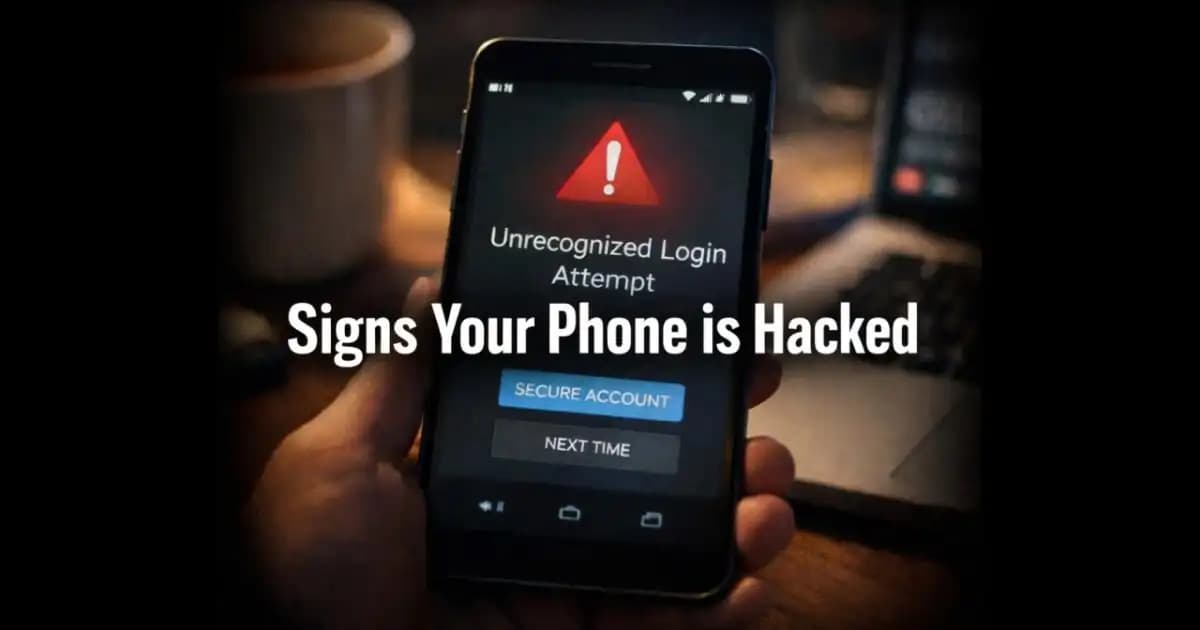
Unexpected Login Alerts
Emails or notifications about logins from unknown Locations can be a sign someone Accessed one of your Accounts.
Messages might look like this:
“New login detected from another device.”
Even if your phone itself is safe, one of your Accounts may have been compromised.
Strange Pop-Ups or Ads
Frequent pop-ups appearing on your phone, especially outside of web browsers, may indicate an unwanted app.
These pop-ups sometimes promote fake Updates or Suspicious downloads.
Why These Situations Can Be Risky
When people hear the word “hacked,” they often imagine complex cyberattacks.
In reality, many compromises happen through simple methods.
Attackers usually rely on:
- Phishing links
- Fake login pages
- Malicious apps
- Password reuse across websites
Once someone gains access to an account, they may use it to spread scams to friends or collect Personal information.
For example, if attackers access a Social Media account, they might send messages pretending to be the real user.
Friends who trust the sender may click links without hesitation.
This is why early detection matters.
How Phone Scams Have Changed in 2024–2025
Over the past two years, phone-related scams have become more sophisticated.
Instead of attacking devices directly, many scammers now focus on manipulating users.
Several patterns have become more noticeable in 2024 and 2025.
Fake Login Pages
Scam links increasingly lead to pages that look identical to real login screens.
Users may think they are signing into their account, but they are actually giving their password to attackers.
Messages Sent From Real Accounts
Instead of sending messages from unknown numbers, scammers often use compromised accounts to reach victims.
A message from a friend feels trustworthy, which makes people more likely to click.
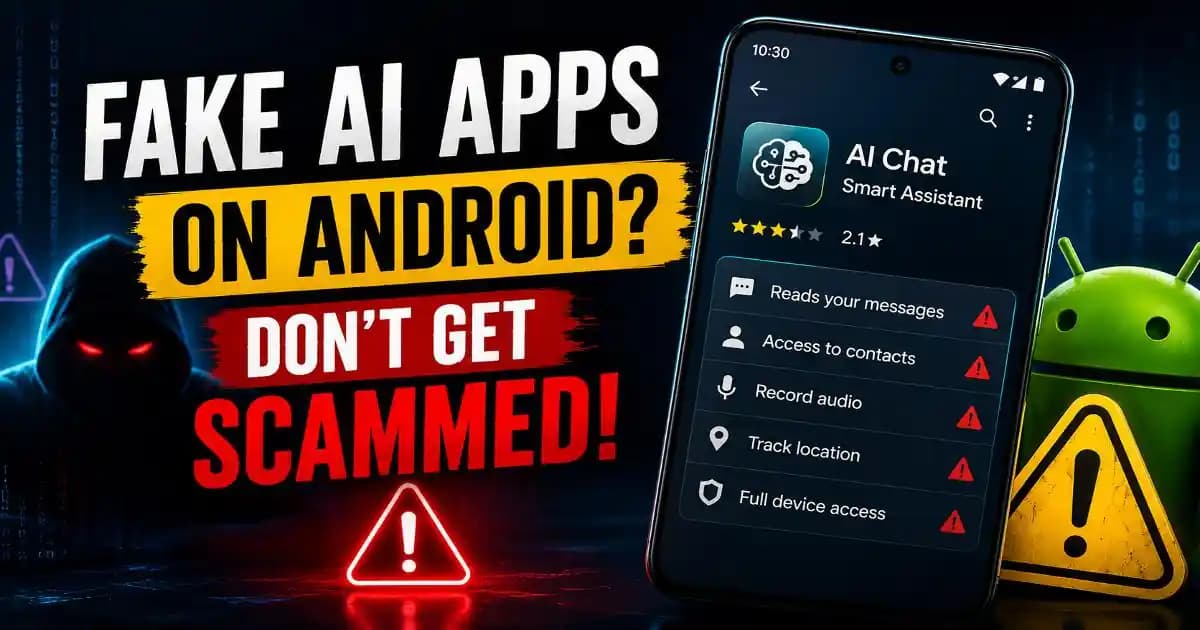
App-Based Scams
Some malicious apps are disguised as harmless tools like photo editors, file cleaners, or battery optimizers.
After installation, they may Request unnecessary Permissions.
These tactics make it harder for users to immediately recognize something is wrong.
What to Check Immediately If You Suspect a Problem
If your phone is behaving strangely, a few simple checks can help you understand what’s happening.
Review Installed Apps
Open your phone’s app list and look carefully for anything unfamiliar.
If you see an app you don’t recognize, search its name online before removing it.
Check Recent Account Activity
Many platforms show recent login activity.
Look for:
- Unknown devices
- Locations you haven’t visited
- Logins at unusual times
Scan Messages You Recently Opened
Think about whether you recently clicked a Suspicious Link or downloaded an attachment.
This often provides clues about how a problem might have started.
Update Your Passwords
If you suspect unauthorized access, changing important passwordsespecially for email and bankingcan prevent further damage.
Run a Security Scan
Many smartphones include built-in Security tools that scan apps for suspicious behavior.
Running a scan can help identify potential threats.
A Calm Approach Can Prevent Bigger Problems
The phrase signs phone hacked what to do often appears in search engines because people panic when something unusual happens on their device.
But in many cases, the situation turns out to be smaller than expected. A strange message might simply be spam, or a login alert might come from a legitimate service you recently used.
The most helpful response is a calm and methodical one.
Check your apps, review your accounts, and update your passwords if needed.
Smartphones are powerful tools that manage large parts of our lives. Staying aware of small warning signsand knowing what to check firstcan make a huge difference in protecting your digital security.
A few minutes of attention today can prevent much bigger problems later.
FAQ
What are the most common signs a phone might be hacked?
Common warning signs include messages sent without your knowledge, unfamiliar apps appearing on your phone, rapid battery drain, strange pop-ups, or login alerts from unknown devices.
Can someone hack my phone just by sending a message?
In most cases, simply receiving a message cannot hack your phone. However, clicking suspicious links or downloading files from unknown sources can expose your device to risks.
What should I do first if I suspect my phone is hacked?
Start by checking installed apps, reviewing recent account activity, changing important passwords, and running a phone security scan to detect suspicious software.
How can I prevent my phone from being hacked in the future?
Avoid clicking unknown links, install apps only from trusted sources, keep your phone updated, and enable security features such as two-factor authentication for important accounts.