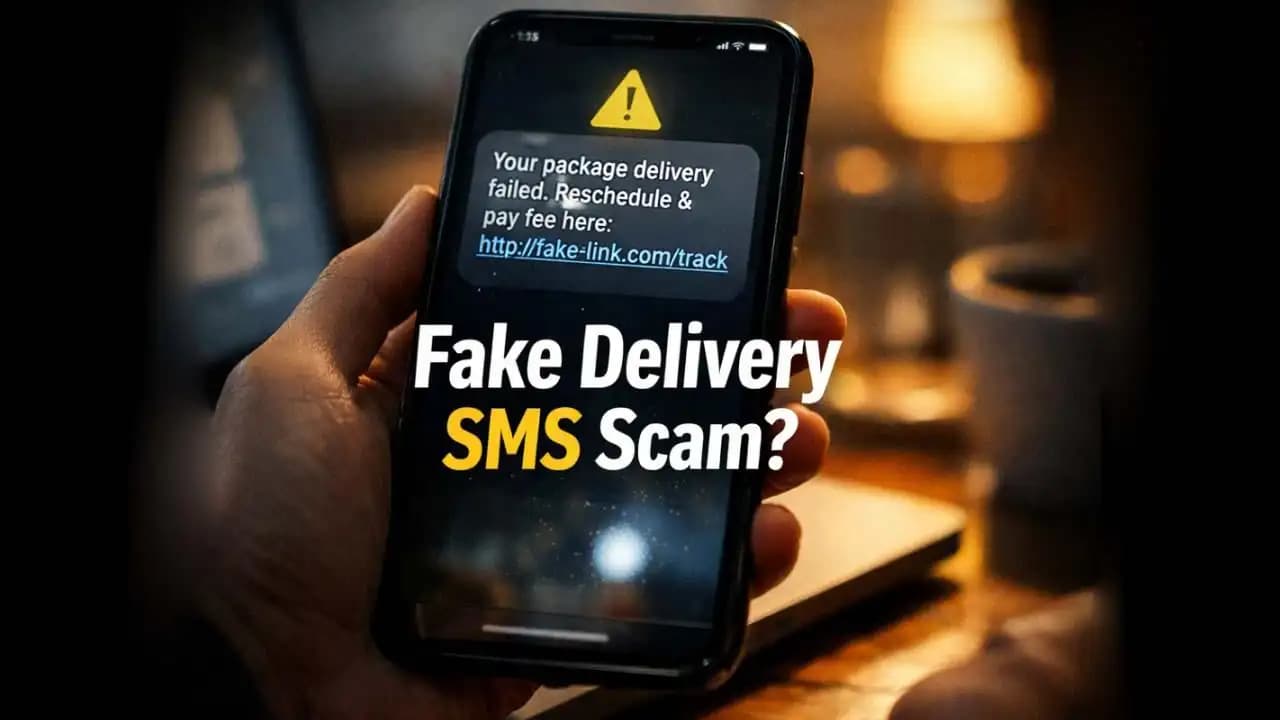
Fake delivery SMS scam messages often appear at the exact moment people are expecting a package. You receive a text saying your parcel could not be delivered, or that a small delivery fee is required to release it. The message includes a tracking link, and everything looks normal at first glance. But that simple click can lead to a fake website designed to capture your personal information.
Over the past few years, delivery-related scams have quietly become one of the most effective ways criminals trick smartphone users. Because online shopping is so common, these Messages blend easily into everyday life. Many people only realize something was wrong after their details have already been submitted.
Understanding how these Messages work can help you recognize the warning signs before any damage is done.
A Situation Many Smartphone Users Recognize
Imagine checking your phone during a busy afternoon and seeing a Message (1) like this:
“Your parcel delivery was unsuccessful today. Please confirm your address and reschedule delivery: [tracking-link].”
Or another variation:
“Your package is waiting for delivery. A small shipping fee of $1.95 is required. Pay here to avoid return.”
At first glance, the message feels routine. Many people order items online frequently, and Delivery companies often send tracking updates by SMS.
You might think:
- Maybe it’s from a recent order.
- Perhaps the courier couldn't find your address.
- Maybe there is a small customs or delivery fee.
Curiosity and convenience often push People to click the link quickly.
But that link rarely leads to a real delivery company.
Instead, it opens a convincing imitation Website that looks like a legitimate courier service. The page may display logos, Tracking numbers, and forms asking for personal details.
This is where the fake Delivery SMS scam begins to collect information.
Why People Are Suddenly Seeing More of These Messages
The rise in these scams is closely tied to how much Online shopping has grown in recent years.
Between 2024 and 2025, reports of delivery-related SMS scams increased significantly in many countries. Criminal groups realized that package notifications are one of the easiest Messages to imitate.
Several factors make this type of scam particularly effective.
First, people Receive many delivery notifications legitimately. Because of that, a fake Message does not feel unusual.
Second, attackers can send thousands of SMS Messages Automatically using online tools. Even if only a small percentage of recipients click the link, the scam still becomes profitable.
Third, these messages often arrive during major shopping seasons or sales events, when people are expecting multiple deliveries.
When someone is waiting for packages from several stores, it becomes harder to tell which message is real.
Common Warning Signs of a Fake Delivery SMS Scam
Although these scams are designed to look Convincing, they often contain subtle clues.
One of the most common signs is an unfamiliar or shortened link.
Real courier companies usually direct users to official domains such as their company website. Scam messages often include links that look unusual or slightly misspelled.
For example:
delivery-update-track.comparcel-check-now.infotrack-package-secure.net
Another warning sign is unexpected payment requests.
Legitimate courier services rarely ask customers to pay small fees Through random SMS links. When payment is required, it typically Happens through official company platforms.
Scam messages may say things like:
“Pay $2.14 to release your package.”
or
“Confirm your delivery by paying a small shipping charge.”
These small amounts are intentional. People are more likely to pay quickly without questioning a minor charge.
A third red flag is urgent language.
Many scam messages create pressure by saying the package will be returned if action isn’t taken Immediately.
Examples include:
- “Your parcel will be returned within 24 hours.”
- “Final notice to confirm your delivery address.”
The goal is to make people act quickly without Verifying the message.
Why Clicking the Link Can Be Dangerous
At first, the fake Tracking page may only ask for basic information like your name, address, and phone number.
But the form can gradually request more sensitive details.
Some scam pages ask for:
- Email address
- Credit card information
- Payment verification codes
- Login details for certain accounts
In more advanced cases, the website may Attempt to Install malicious software on the device.
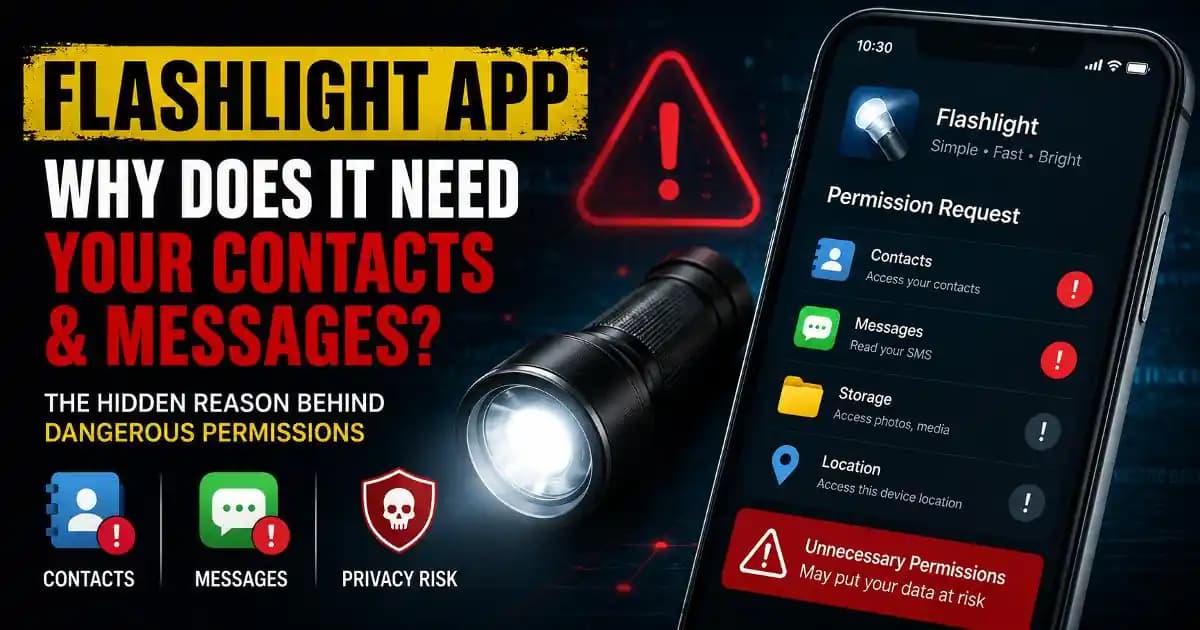
On Android phones especially, some scam pages prompt users to download a “delivery tracking app.” These apps may secretly request Permissions that allow attackers to access SMS messages, Contacts, or notifications.
Once criminals obtain enough information, they may use it for identity theft, financial fraud, or further scams.
Many victims do not immediately realize that their data has been stolen.
How Delivery Scams Have Evolved in 2024–2025
In earlier years, scam messages were often easy to recognize because of poor grammar or obvious mistakes.
However, recent scams have become much more sophisticated.
Attackers now study the communication style of major courier companies and replicate their messages carefully. Some even include realistic tracking numbers or references to well-known delivery services.
Another recent trend involves regional targeting.
Instead of sending the same message worldwide, Scammers adjust the message based on the country or language of the recipient. This makes the message feel more believable.
In 2024 and 2025, cyberSecurity researchers also observed scam networks using rotating domains. If one fake website gets reported and removed, another one appears almost immediately with a slightly different address.
Because of these tactics, fake delivery SMS scams continue to spread quickly.
Simple Ways to Stay Protected
While these scams are becoming more advanced, a few simple habits can reduce the risk significantly.
First, avoid clicking delivery links directly from SMS messages if you were not expecting a package.
If you want to verify a delivery, open the official website or app of the courier service instead of using the link in the message.
Second, check your recent orders before reacting. If you have not ordered anything recently, the message is likely suspicious.
Third, look closely at the website address if you do open a tracking link. Fake domains often contain extra words, numbers, or unusual spelling.
Another helpful habit is keeping your phone’s operating system updated. Security updates can help protect against malicious websites and harmful apps.
Finally, if you receive Suspicious messages frequently, consider reporting them to your Mobile provider or blocking the sender.
Staying Aware in a World Full of Notifications
Smartphones now deliver a constant stream of alerts: delivery updates, bank notifications, Social Media messages, and promotional offers.
Because we are used to reacting quickly to these notifications, scammers often rely on that habit.
The fake delivery SMS scam works not because people are careless, but because the message fits naturally into everyday life.
A simple pause before clicking a link can make a big difference.
When a message asks for payment, personal details, or Urgent action, taking a moment to verify the source is always worth it.
In the long run, awareness remains one of the most effective ways to stay safe online.
FAQ
What is a fake delivery SMS scam?
A fake delivery SMS scam is a fraudulent text message that pretends to be from a courier or shipping company. The message usually asks users to click a link to track a package, confirm delivery details, or pay a small fee. The link leads to a fake website designed to collect personal or financial information.
How can I tell if a delivery message is real?
Check whether you are actually expecting a package. Real delivery companies usually send messages from recognizable sender IDs and direct users to their official websites or apps. Suspicious links, urgent payment requests, or unfamiliar domains are common Warning signs.
What should I do if I clicked a suspicious delivery link?
If you clicked the link but did not enter any information, simply close the page. If you submitted personal or payment details, monitor your bank Accounts, change important passwords, and consider contacting your bank for advice.
Why do scammers use delivery notifications?
Delivery messages are effective because many people receive legitimate tracking updates regularly. Scammers exploit this familiarity, making their messages blend into normal smartphone notifications.