7 New AI Scams Everyone Should Know in 2026 are no longer rare internet stories. Many people first encounter them through an unexpected phone call, a convincing WhatsApp message, a fake invoice in their inbox, or a video that appears completely genuine. As artificial intelligence becomes more accessible, scammers are also using it to produce realistic voices, images, emails, and conversations that are harder to recognize than traditional scams.
The technology behind these attacks is not inherently Dangerous. AI helps businesses automate work, improves accessibility, assists developers with coding, and supports productivity across many industries. The problem begins when criminals use the same capabilities to manipulate trust. Instead of relying on poor grammar or obviously fake websites, modern scams often feel personal because AI can imitate writing styles, generate realistic conversations, and even clone someone's voice from only a short audio sample.
Why AI scams are becoming more convincing
Earlier phishing campaigns often failed because the messages looked suspicious. Today's AI tools can produce natural language, correct spelling, personalized content, and realistic customer support conversations within seconds. Attackers combine publicly available information from social media with generative AI to create messages that appear relevant to the recipient.
This means a Fake Delivery notification might include your city, a fraudulent banking message may reference a recent purchase, or an email could imitate the writing style of a colleague. None of this necessarily means your accounts were hacked. Instead, attackers collect information from multiple public sources and let AI assemble a believable story.
Voice cloning has become another major concern. A short recording taken from a public video or Social Media clip may be enough to generate speech that resembles the original speaker. Families have reported receiving urgent calls claiming a relative has been involved in an emergency and needs money immediately. While these calls may sound authentic, the urgency is designed to prevent careful verification.
Common AI scams people are encountering
One growing pattern involves fake customer support representatives. Attackers create AI-powered chat systems that imitate legitimate companies and encourage users to reveal passwords, Verification codes, or payment information.
Another increasingly common scam targets job seekers. Fake recruiters send realistic interview invitations, request identity documents, or ask candidates to pay for training materials Before employment begins. AI allows these conversations to continue naturally for days, making the fraud appear legitimate.
QR code scams have also evolved. Criminals replace legitimate QR codes with malicious ones that direct users to fake payment pages or counterfeit login screens. Because many people trust QR codes without checking the destination, these attacks often succeed Through convenience rather than technical sophistication.
Romance scams have also become more believable through AI-generated photos, realistic conversations, and even video content. Fraudsters spend weeks or months building trust Before requesting financial assistance or convincing victims to invest in fake opportunities.
Email fraud continues to evolve as well. AI-generated invoices, subscription renewal notices, and account verification requests often resemble genuine communications from banks, cloud providers, or software companies. Instead of relying solely on malicious attachments, attackers increasingly attempt to persuade users to disclose credentials voluntarily.
How mobile users are especially affected
Most people now manage banking, messaging, shopping, and work directly from their smartphones. Smaller screens make it easier to overlook Suspicious website addresses or subtle differences in branding. Notifications also encourage quick responses, which attackers exploit by creating a false sense of urgency.
Messaging platforms such as WhatsApp, SMS, and social media direct messages have become common delivery channels for AI-generated scams. Criminals know that users often trust messages arriving from familiar platforms, especially when they appear to come from friends, colleagues, or recognized organizations.
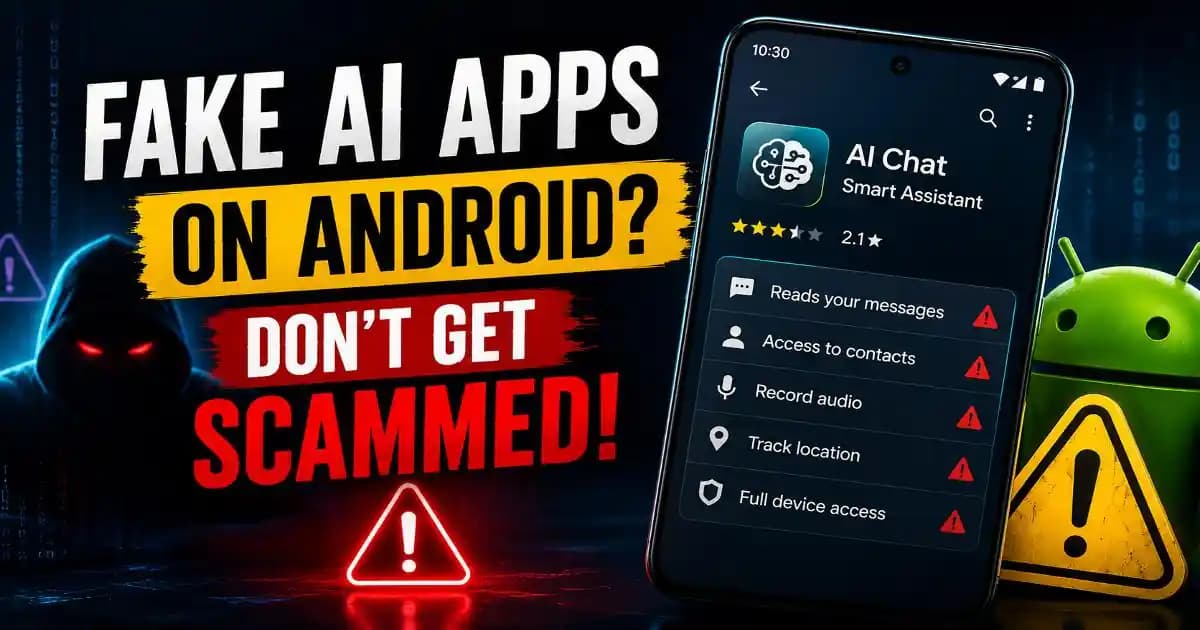
Attackers may also encourage users to install unfamiliar applications outside official app stores. These apps can request unnecessary app permissions, capture sensitive information, or display convincing login screens that steal account credentials.
Building habits that reduce your risk
The most effective defense is slowing down before taking action. Whenever someone requests money, passwords, verification codes, or confidential documents, verify the request using another trusted communication channel. A quick phone call to a known number is often enough to expose an attempted scam.
Keep your operating system and applications updated because Security patches fix vulnerabilities that attackers may exploit. Enable multi-factor authentication whenever available, making stolen passwords significantly less useful.
Be cautious with information shared publicly Online. Birthdays, workplaces, travel plans, family relationships, and voice recordings can all help attackers Personalize future scams.
Developing strong digital habits also means recognizing emotional manipulation. Messages demanding immediate action, threatening account suspension, promising unrealistic rewards, or requesting secrecy deserve extra scrutiny regardless of how authentic they appear.
Organizations such as Google, Apple, Microsoft, GitHub, and OpenAI continue improving Security features and detection systems, but technology alone cannot eliminate social engineering. Human judgment remains one of the strongest security tools available.
Looking ahead
AI will continue transforming productivity, software development, customer support, education, and creative work. At the same time, criminals will adapt their tactics to take advantage of these capabilities. Rather than fearing AI, users benefit most by understanding how it can be misused and by developing habits that prioritize verification over urgency.
Learning to recognize AI-powered scams is becoming an essential digital skill. Whether the message arrives through email, a messaging app, a phone call, or a QR code, taking a few extra moments to confirm its legitimacy can prevent financial loss, protect personal information, and reduce the impact of increasingly sophisticated cyber threats.