Social media data collection often happens quietly in the background, long after someone installs a new app and begins scrolling through posts. Imagine downloading a popular video-sharing app recommended by a friend. You create an account, allow a few permissions so the app can upload photos or send notifications, and start watching content.
Within days, the app seems to know what you like travel videos, cooking tips, tech gadgets. Soon, ads appear for items you recently searched for on another website. The experience feels convenient, even impressive. But many users later discover something surprising: the app may have collected far more Information than they ever realized.
Across many platforms, Data Collection has become an invisible part of the social media experience. Most users accept it without thinking much about what is actually being gathered, stored, and analyzed.
Understanding how this works doesn’t require technical knowledge. It simply requires awareness of how modern social apps operate.
A Common Situation Many Smartphone Users Experience
Consider a typical scenario.
A person installs a social networking app on their Android or iPhone. During setup, the app asks for a few Permissions:
- Access to contacts
- Permission to use the camera
- Location access
- Notification permission
None of these requests seem unusual. After all, messaging apps need Contacts, photo apps need cameras, and location features can help tag posts.
Weeks later, however, something curious happens.
A user notices:
- Ads that seem extremely specific
- Friend suggestions that include people they never searched for
- Content recommendations that match conversations they recently had
This often leads to a common question people ask online:
"How does this app know so much about me?"
The answer usually lies in the broader ecosystem of social media data collection, which goes far beyond simply tracking what someone posts.
Why People Are Suddenly Noticing This More
In recent months, more users have started questioning how much information apps collect.
There are several reasons for this shift.
First, people spend more time on social platforms than ever Before. Social apps have become central to communication, entertainment, and even shopping.
Second, Privacy discussions have become more visible. News stories, app store Warnings, and operating system updates now highlight what apps can Access.
Finally, both Android and iOS Devices now show Permission alerts and Tracking notifications. When users Suddenly see Messages like:
"This app wants permission to track your activity across other apps and websites."
It naturally raises curiosity.
Many users only begin thinking about Data Collection after they see these prompts.
The Types of Information Social Media Apps Often Collect
Most users assume social apps only track posts, likes, and followers.
In reality, the data collected can be much broader.
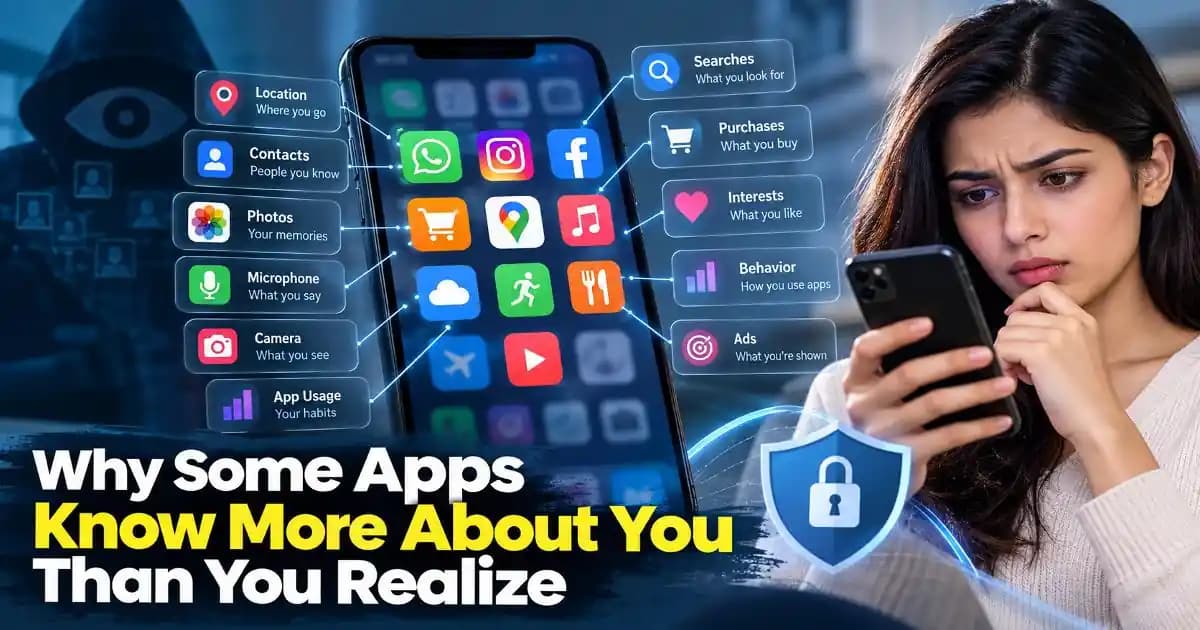
Depending on Permissions and policies, social platforms may gather information such as:
Basic account information
- Name
- Email address
- Phone number
- Profile details
Device information
- Device model
- Operating system
- App usage patterns
- Battery and network data
Behavioral data
- Videos watched
- Posts liked or shared
- Time spent on certain content
- Scrolling patterns
Location signals
- GPS location (if allowed)
- IP address location
- Nearby Wi-Fi networks
Contact and social connections
- Phone contacts
- Friend networks
- People you interact with most
Some apps also use tracking technologies that monitor how users move between websites, ads, and other apps.
This information helps platforms build a detailed profile of each user’s interests and Habits.
Warning Signs That an App May Be Collecting More Data Than Expected
For everyday users, the challenge is that most data collection Happens quietly. However, there are small clues that suggest an app is gathering extensive information.
Some common signs include:
Highly Targeted Ads
If ads match recent searches, purchases, or conversations surprisingly well, it may indicate cross-platform data Tracking.
For example, someone might browse hiking gear on a shopping site and later see multiple hiking ads inside a social media app.
Permission Requests That Don’t Match Features
Sometimes an app asks for permissions that don’t seem necessary.
For example:
- A photo-editing app requesting contact access
- A simple game asking for precise location data
- A messaging app requesting access to storage unrelated to media
These Requests are not always harmful, but they deserve attention.
Automatic Friend Suggestions
Users sometimes see suggestions for people they only recently met or exchanged numbers with. This can happen if the app scanned Contacts or synced phone data.
Frequent Background Activity
Battery usage reports on smartphones sometimes show social Apps Running in the background for long periods.
This doesn’t always indicate something Suspicious, but it may suggest ongoing data synchronization.
Why Extensive Data Collection Can Be Risky
Data collection itself isn’t always harmful. Many features users enjoy Personalized feeds, relevant ads, and Friend recommendations rely on it.
However, risks appear when users don’t fully understand how much information is involved.
Here are some concerns often raised by privacy experts.
Detailed User Profiling
Large amounts of data allow companies to build very detailed behavioral profiles. These profiles can influence the content users see, the ads they receive, and even recommendations that shape opinions or purchasing habits.
Data Sharing With Third Parties
Some platforms share or sell anonymized user data to advertising partners, analytics companies, or data brokers.
While this is often described in privacy policies, most people never read these documents fully.
Potential Data Breaches
Even well-known companies can experience Security incidents. When large databases of user information are stored, they can become targets for cybercriminals.
Reduced Privacy Over Time
Small pieces of information collected over months or years can gradually build a surprisingly complete picture of a person’s digital life.
How Social Media Data Collection Has Evolved (2024–2025)
The way platforms collect data has changed significantly over the past few years.
Earlier social media apps mostly relied on basic interactions such as likes, Shares, and friend connections.
But in 2024 and 2025, several trends have accelerated.
Algorithm Training
Modern platforms rely heavily on artificial intelligence to recommend content. These algorithms require large amounts of behavioral data to learn what keeps users engaged.
Cross-Platform Tracking
Advertising networks increasingly track user activity across multiple apps and websites, allowing companies to understand browsing behavior outside the social platform itself.
More Sensor Data
Smartphones now include numerous sensors location, motion, Bluetooth signals that apps may use to enhance personalization.
Increased Personalization Pressure
Competition between social platforms has intensified. To keep users engaged longer, apps rely on deeper data insights to fine-tune feeds and recommendations.
This has naturally expanded the amount of information collected.
Practical Ways Users Can Stay More Aware
While most social media platforms will continue Collecting some level of data, users still have meaningful control over their privacy settings.
A few simple habits can make a big difference.
Review App Permissions
Open your phone’s app settings and check what permissions each social app has.
Ask yourself:
- Does the app really need my location?
- Why does it need contact access?
- Can I disable microphone access?
Turning off unnecessary permissions can reduce data sharing.
Limit Tracking Permissions
Both Android and iOS now include settings that allow users to limit cross-app tracking for advertising purposes.
These controls are often found in privacy or ad settings.
Check Privacy Settings Inside Apps
Many social platforms include options such as:
- Limiting personalized ads
- Restricting contact syncing
- Controlling who can find your account
These settings are often buried inside menus but can significantly reduce unnecessary data collection.
Be Selective With New Apps
Before Installing a new social app, it helps to quickly check:
- Reviews mentioning privacy concerns
- Permission requests during installation
- The developer’s reputation
A quick moment of awareness can prevent unnecessary data exposure.
A Simple Reality Most Users Overlook
Social media apps are designed to feel effortless. Users scroll, watch, message, and share without thinking much about what happens behind the scenes.
But the truth is that modern platforms operate on data.
Every tap, swipe, and view contributes to a system that learns more about users over time. This doesn’t mean every app is unsafe or malicious. In many cases, data collection simply powers the features people enjoy.
Still, awareness matters.
When users understand how social media data collection works, they can make better decisions about permissions, privacy settings, and the platforms they choose to trust.
In today’s connected world, small privacy choices can have long-term impact.
Frequently Asked Questions
Why do social media apps collect so much data?
Most social media platforms rely on advertising and personalized content to generate revenue. Collecting user behavior data helps them show relevant ads and recommend content that keeps people engaged longer.
Can social media apps track what I do outside the app?
In some cases, yes. If tracking permissions are enabled, apps may use advertising networks or analytics tools to observe activity across other apps and websites.
Is it safe to allow location access for social media apps?
Location access can enable useful features like tagging posts or finding nearby friends. However, if these features aren’t needed, turning off precise location access can reduce unnecessary data collection.
How can I reduce data collection on my phone?
Users can review app permissions, disable contact syncing, limit advertising tracking, and regularly check privacy settings inside social media apps. Even small adjustments can improve digital privacy over time.