Contacts access privacy risk often becomes noticeable the moment you install a new app and see a pop-up asking for permission to read your contacts list. Many people hesitate at that moment. You might think: Why does this simple app need access to everyone in my phonebook? Whether it’s a social media tool, a shopping app, or even a flashlight utility, the request can feel confusing and sometimes uncomfortable.
This situation has become increasingly common in recent years. Apps often ask for Access to contacts for features like friend suggestions, syncing accounts, or marketing personalization. But not every request is as harmless as it appears. Understanding why apps ask for contacts accessand when it might be a privacy concerncan help you make smarter decisions about what information your phone shares.
A Situation Many Smartphone Users Have Experienced
Imagine installing a new messaging or social networking app. The setup process seems simple: create an account, add a profile photo, and start exploring. But before you can continue, a Message appears:
“Allow access to your contacts to find friends faster.”
At first glance, this seems helpful. After all, you probably want to connect with people you already know.
But sometimes the request comes from apps where contacts Access doesn’t make sense. A Mobile game might ask for it. A wallpaper app might ask for it. Even a small utility tool might request permission to read your phonebook.
Many users tap “Allow” quickly just to move forward.
Later, they begin noticing strange patterns:
- They start receiving promotional messages.
- Friends report getting invitations they never sent.
- Their email inbox fills with recommendations tied to people they know.
These experiences leave many people wondering: Did that app use my contacts data for something else?
Why Apps Ask for Access to Your Contacts
Not every request is suspicious. In fact, some apps genuinely need contact Information to provide useful features.
Here are some of the most common reasons apps Request contacts access.
1. Finding Friends or Connections
Social platforms and Messaging apps often scan your Contacts to Identify which of your Friends are already using the Service.
This allows the app to display messages like:
“5 people you know are already here.”
This feature can make it easier to build your network quickly.
2. Sending Invitations Automatically
Some apps allow you to invite contacts with a single tap.
Instead of typing phone numbers manually, the app can send invitations directly to people in your contact list.
While convenient, this feature can sometimes lead to Unexpected invites being sent if users misunderstand how it works.
3. Personalized Recommendations
Another common reason is algorithmic recommendations.
Contacts data helps apps understand your social circle. This information can influence:
- Friend suggestions
- Group recommendations
- Event invitations
- Content personalization
4. Marketing and Growth Strategies
In some cases, contacts data becomes part of the app’s growth strategy.
For example, an app might analyze contacts to identify:
- Potential new users
- People likely to respond to invitations
- Social connections between existing users
This can help companies expand their user base quickly.
However, this is where contacts access privacy risk can start to become a concern.
Warning Signs That a Contacts Request Might Be Suspicious
Not every app Should need your contacts list. There are situations where the Request may deserve extra caution.
Here are a few warning signs to watch for.
The App’s Purpose Doesn’t Match the Permission
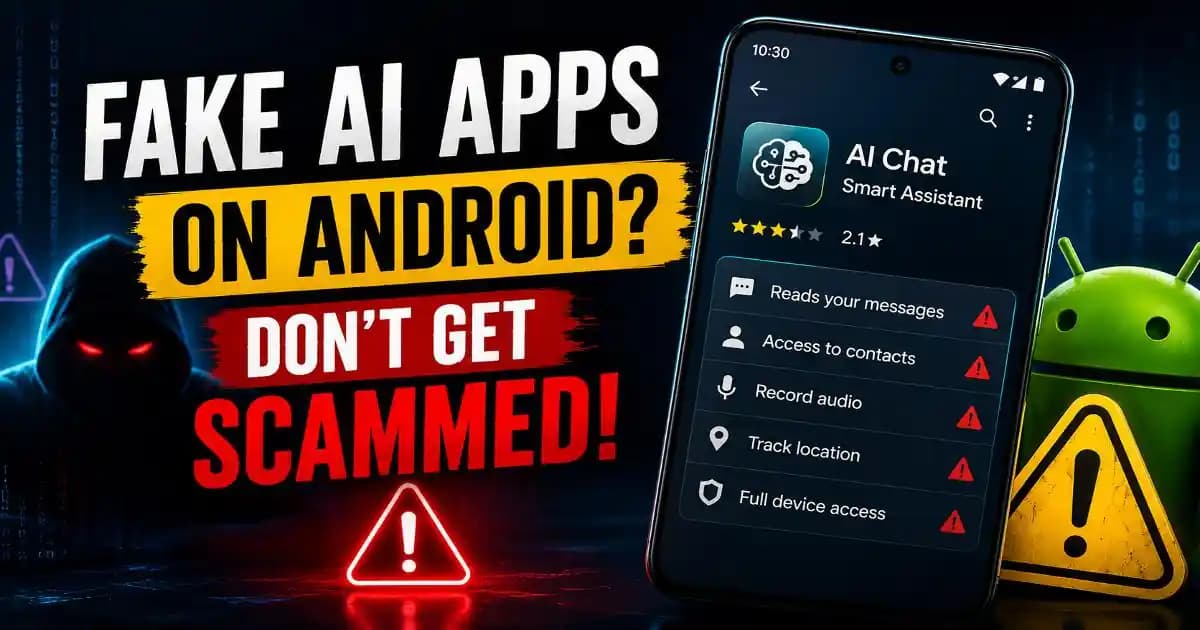
A basic calculator or flashlight app has no obvious reason to read your contact list.
If the function of the app has nothing to do with communication or social interaction, the request may be unnecessary.
The Request Appears Immediately After Installation
Some Apps ask for multiple Permissions right away, Before you’ve even explored their features.
This can be a sign that the app is prioritizing Data Collection over user experience.
No Clear Explanation Is Provided
Trustworthy apps usually explain why they need access.
For example:
“We use your contacts to show which friends already use the app.”
If the request Appears without context, it may be worth declining.
Contacts Access Is Required to Use the App
Some apps block access to basic features unless you allow contact permissions.
This tactic can pressure users into granting access without fully understanding the implications.
Why Contacts Data Can Be Valuable
Many people underestimate how Valuable a contacts list can be.
Your Phonebook may contain dozensor even hundredsof people you know personally.
Each entry may include:
- Phone numbers
- Names
- Email addresses
- Profile photos
- Workplace details
For companies, this information helps map real-world social connections.
In the wrong hands, this data can also be used for:
- Marketing campaigns
- Social network analysis
- Spam targeting
- Fraud attempts
Even if you trust the app itself, there’s always a risk that stored data could be misused or exposed in a breach.
How App Data Collection Has Changed in 2024–2025
Over the past few years, smartphone Privacy rules have evolved significantly.
Operating systems like Android and iOS now give users more control over permissions. Instead of allowing full access by default, users can approve or deny each request individually.
However, at the same time, app developers have become more sophisticated in how they request data.
In 2024 and 2025, several patterns have become more noticeable:
Permission Requests Are More Strategic
Apps may wait until you try a specific feature Before requesting contacts access.
This makes the request feel more relevanteven if it isn’t strictly necessary.
Data Is Used for AI-Driven Recommendations
Many platforms now use machine learning systems that analyze contact relationships to recommend:
- New communities
- Suggested accounts
- Personalized content
Marketing Strategies Have Become More Social
Instead of relying solely on ads, companies increasingly use social connections to promote growth.
If multiple people in your contact list Install an app, it may encourage you to join as well.
This makes contact data especially valuable.
Simple Ways to Protect Your Contact Privacy
You don’t need to reject every permission request to stay safe.
But taking a few simple steps can help Protect your privacy.
Think Before Tapping “Allow”
Ask yourself:
Does this app really need my contacts to work?
If the answer isn’t clear, you can always deny the request.
Review App Permissions Regularly
Most smartphones allow you to check which apps currently have contacts access.
You may discover that apps you installed months ago still have permissioneven if you rarely use them.
Remove Permissions From Unnecessary Apps
If an app doesn’t need contact data anymore, you can revoke access easily through your phone’s settings.
This small step reduces the amount of personal data being Shared.
Install Apps From Trusted Developers
Apps from well-known developers usually provide clear explanations about how your data is used.
Unknown apps with very few downloads deserve extra caution.
A Small Permission That Deserves Attention
Contacts access privacy risk is often overlooked because the request feels routine. But your contact list represents something very personal: your relationships.
When an app requests access, it’s not just Asking for information about you. It’s asking for information about everyone you know.
That doesn’t Automatically mean the app is unsafe. Many legitimate services use contacts data responsibly to improve user experience.
Still, taking a moment to think before granting access can make a real difference.
In a world where smartphones hold so much of our personal lives, small decisionslike approving or denying a permission requestare one of the simplest ways to stay in control of your digital privacy.
FAQ
Why do apps ask for contacts permission?
Many apps request contacts permission to help users find friends, send invitations, or personalize recommendations. However, some apps may also use contact data for marketing or user-growth strategies.
Is it safe to allow contacts access to apps?
It depends on the app. Messaging and social networking apps often need contacts access to function properly. But if an app unrelated to communication requests this permission, it may be safer to decline.
Can apps send messages to my contacts without my knowledge?
Most legitimate apps require user Confirmation before sending invitations. However, if permissions are granted carelessly, some apps may generate automated invitations or notifications.
How can I check which apps have access to my contacts?
On most smartphones, you can review permissions through the Settings → Privacy → Contacts section. This list shows all apps that currently have access, allowing you to remove permissions if needed.