Never Share This OTP Code is one of the simplest security messages you'll see on your phone, yet many people overlook it when a call, message, or urgent request appears convincing. Whether you're logging into a banking app, confirming a payment, recovering an account, or signing in to a messaging service, that one-time password is designed to prove that you and only you are completing the action.
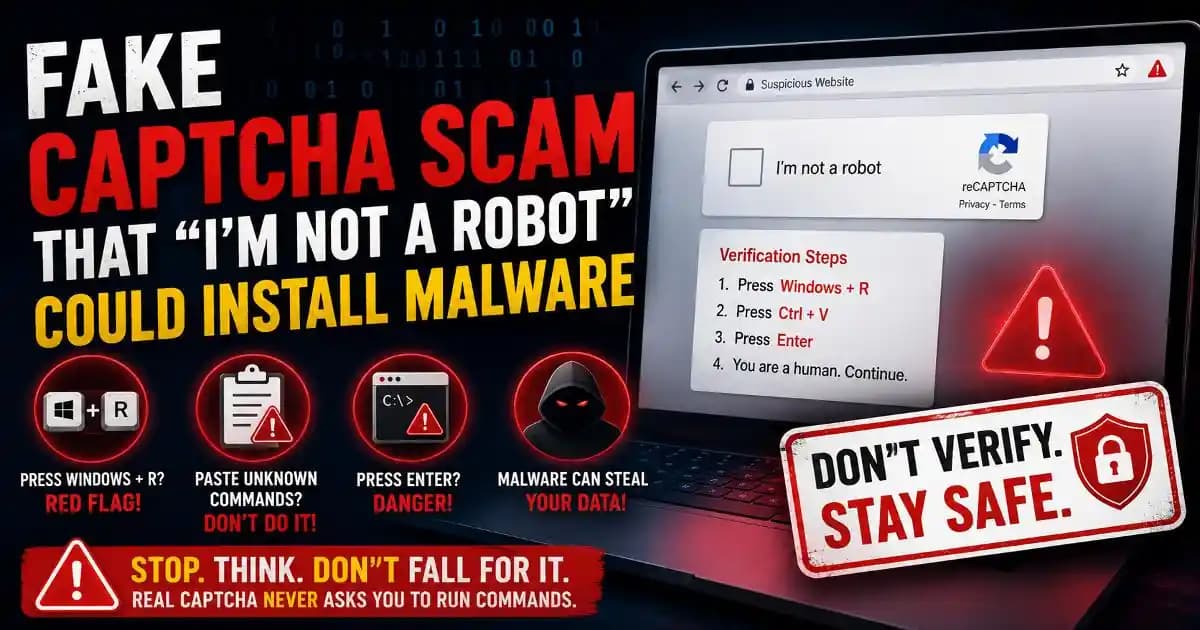
Scammers know this. Instead of trying to guess passwords, many now focus on persuading people to reveal their Verification codes voluntarily. They may pretend to be customer support, a delivery company, a bank representative, or even someone you know. Their goal is simple: convince you to share the code before it expires.
Why Never Share This OTP Code Matters More Than Ever
An OTP, or One-Time Password, acts as a temporary security key. Unlike a regular password, it usually remains valid for only a short period. Services from Google, Microsoft, Apple, banks, payment providers, and social platforms use OTPs to Confirm sensitive actions such as logging in, changing passwords, or approving transactions.
If someone already knows your password through a previous data breach or a phishing website, the OTP becomes the final obstacle preventing unauthorized access. Sharing that code effectively removes the last layer of protection that many online Accounts rely on.
This is why legitimate companies repeatedly state that they will never ask for your OTP. The code is meant for the person completing the Verification (1) not for customer support, technical staff, or anyone else.
How Verification Scams Usually Begin
Most Verification again scams don't start with sophisticated hacking. They start with a believable conversation.
A scammer might call claiming your bank Account has Suspicious Activity. Another may send a text saying your Package cannot be delivered until you Verify your identity. Some pretend to represent a Social Media platform, saying your account will be suspended unless you confirm ownership Immediately.
While speaking to you, they trigger a legitimate login or password reset Request using your email address or phone number. The real service then sends an OTP to your device. Moments later, the scammer asks you to read the code aloud, insisting it is required to cancel fraud, confirm your identity, or stop unauthorized activity.
The code itself is genuine. The request to share it is not.
Why These Scams Continue to Succeed
Verification scams rely on psychology more than technology. Criminals often create urgency, authority, or confusion. They encourage quick decisions before you have time to think.
Many victims don't realize that the Security code they receive is directly connected to the conversation they're having. Because the Message comes from a trusted company, they assume the caller must also be legitimate.
Modern scam campaigns also use information gathered from previous data leaks, public social media profiles, or phishing attacks. Knowing your name, email address, or recent purchase can make the conversation appear authentic even when it is entirely fraudulent.
Recognizing the Warning Signs
A genuine company may send an OTP, but it Should never require you to disclose it to another person. If someone asks for your verification code, treat that request as a serious Warning sign.
Other indicators include pressure to act immediately, requests to ignore security Messages, instructions to stay on the phone while the code arrives, or claims that sharing the OTP will cancel suspicious activity.
Many verification messages even contain clear warnings such as 'Do not share this code with anyone.' Reading the entire message instead of focusing only on the numbers can prevent costly mistakes.
Building Safer Digital Habits
Good security isn't about memorizing dozens of complicated rules. It's about understanding why security systems exist and respecting the purpose of each layer.
Strong passwords remain important, but they work best alongside multi-factor authentication, trusted devices, regular software updates, and careful attention to unexpected requests.
If you receive an OTP that you didn't request, avoid sharing it and review your account activity. Consider changing your password if you suspect someone Attempted to Access your account. Enabling authentication apps or passkeys where available can provide even stronger Protection than SMS verification alone.
It's also worth reviewing your Privacy settings, keeping your devices updated, and learning how phishing guides explain modern social engineering tactics. These digital skills help reduce the likelihood of becoming a target.
What To Do If You Already Shared an OTP
If you've accidentally shared an OTP, act quickly rather than assuming nothing happened. Immediately change your account password, review recent login activity, sign out of unknown devices, and enable stronger authentication methods if available.
If the affected account involves Online banking or digital payments, contact your financial institution Through its official support channels. Reporting the incident promptly can reduce the risk of unauthorized transactions.
You should also monitor linked email accounts because attackers often attempt to reset passwords for additional services after gaining access to one account.
Understanding the Bigger Picture
As more services move online, identity verification has become a routine part of everyday life. From remote work tools and cloud platforms to AI services and productivity apps, verification codes help protect sensitive information across countless digital experiences.
That protection only works when users understand what the code represents. An OTP is not simply a number it is temporary proof that you are authorizing an action.
Remembering one simple rule can prevent many account compromises: Never Share This OTP Code. Whether the request arrives through a phone call, text message, email, chat app, or social media platform, keeping that verification code private is one of the easiest and most effective ways to protect your digital identity.