Why an Unexpected Verification Code Appears Without Warning
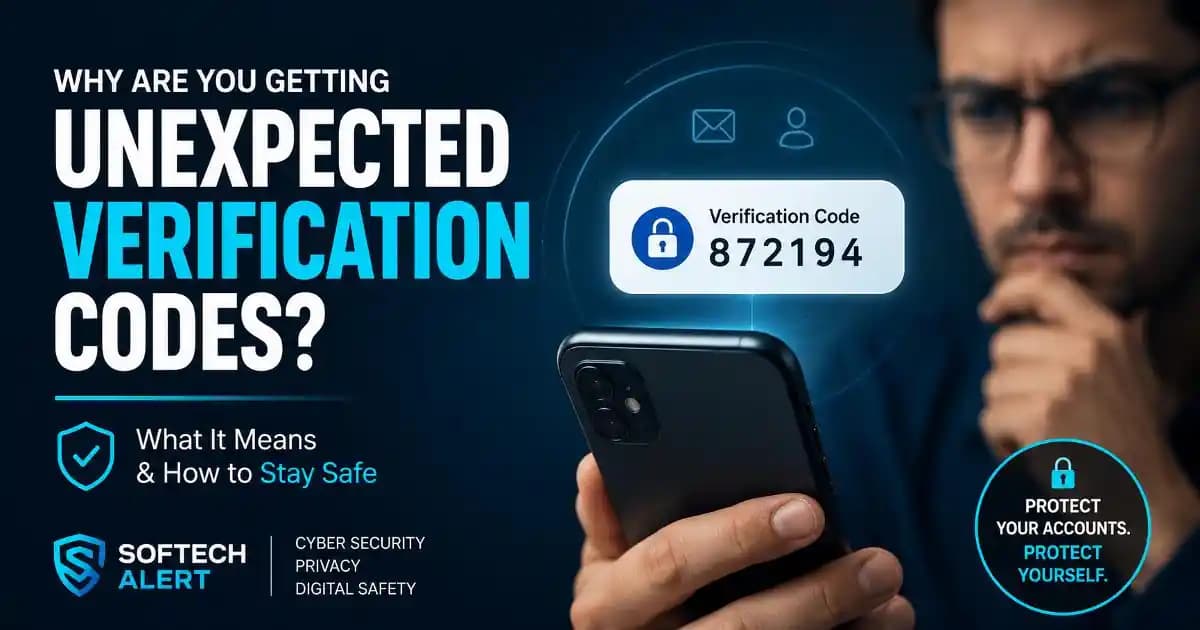
Unexpected verification code messages often arrive when people are scrolling through social media, checking email, or using banking apps without attempting to log in anywhere. A text message containing a one-time password or a verification code suddenly appears, leaving many users wondering whether someone is trying to access their account or if the message itself is part of a scam.
These messages have become increasingly common because many online services use two-factor authentication to confirm account ownership. Platforms from Google and Microsoft to Apple and social networks rely on verification codes to add another layer of account security.
Receiving a code you never Requested does not automatically mean that your account has been hacked. In many situations, it simply means that someone entered your phone number or email address by mistake. In other cases, it could indicate that someone knows your password and is attempting to complete the login process.
Why an Unexpected Verification Code Can Be a Security Signal
Verification systems work by sending temporary codes whenever a login, password reset, or Account recovery request occurs. If that request did not come from you, something triggered it.
Sometimes another person accidentally types the wrong phone number. Some automated systems may resend codes from older requests. Businesses occasionally perform account verification checks that generate Messages. However, attackers also intentionally trigger codes after obtaining leaked passwords through phishing campaigns or previous data breaches.
The code itself does not give attackers access. The danger appears when victims share the code with someone Pretending to be customer support, a bank employee, or a friend.
This Social engineering tactic is common in many scam alerts because criminals know that users may become confused and respond emotionally. They often call or send Messages Immediately after the code arrives and claim they need the number to stop Suspicious Activity.
In reality, the Verification code is usually the final barrier Protecting your Account.
How Login Systems and OTP Messages Work
Most Online platforms combine passwords with a second authentication step. After entering credentials, the service sends a temporary code Through SMS, email, or an authentication app.
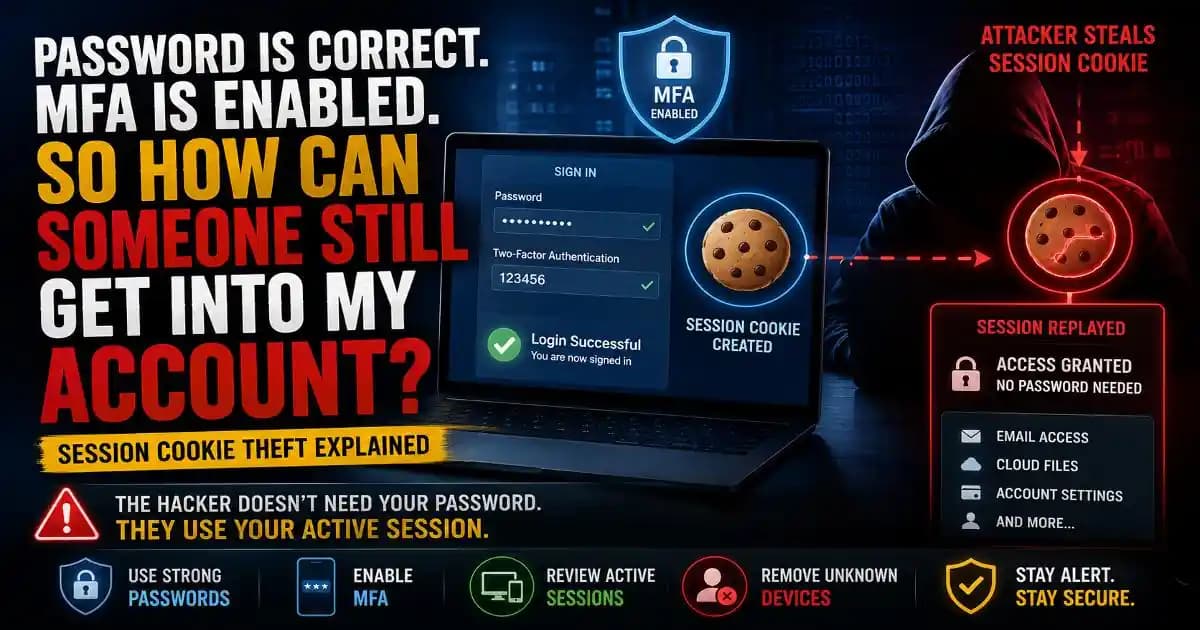
If someone already knows your password, they may reach the second step but become blocked because they cannot see the code sent to your device.
This is why receiving unexpected codes can actually show that account protection is working.
Google accounts, Microsoft accounts, Apple IDs, banking applications, messaging platforms, and cloud services all use similar mechanisms. Modern browsers and password managers increasingly encourage passkeys and stronger authentication methods to reduce dependence on SMS verification.
When You Should Take the Message Seriously
A single code appearing once may not indicate anything serious. Repeated Requests, however, deserve attention.
If multiple codes arrive within minutes, if password reset emails Suddenly appear, or if you receive notifications about unfamiliar devices, there is a stronger possibility that someone knows your credentials.
Checking recent sign-in activity on your account is a good habit. Google, Microsoft, Apple, and many social media platforms allow users to review device history and terminate suspicious sessions.
This is also a good opportunity to strengthen account Security and update old passwords that might have been reused across several websites.
How Scammers Exploit Verification Codes
Attackers rarely need advanced hacking tools. They often rely on psychology.
After triggering a verification code, they may send Messages saying they accidentally used your number. Others pretend to represent technical support or claim that your account is locked. Their goal is simple: convince you to reveal the code.
Some phishing campaigns combine fake login pages with verification requests. Victims enter passwords into fraudulent websites, and criminals immediately attempt to log in to the real account. The verification code arrives, and attackers contact the victim pretending they need it to resolve a problem.
This pattern appears frequently in phishing guides because urgency and confusion are powerful tools for scammers.
What You Should Do After Receiving an Unexpected Verification Code
If you receive a code unexpectedly, avoid panic. Never share the code with anyone. Legitimate companies do not call Asking for one-time passwords.
- Ignore the message if you did not request it.
- Check whether your account recently experienced suspicious login attempts.
- Change your password if it has been reused elsewhere.
- Enable stronger authentication methods when available.
- Review connected devices and active sessions.
- Watch for unusual emails or account recovery notifications.
Password managers and authentication apps often provide better protection than relying only on SMS messages. Many users are also moving toward passkeys, which reduce exposure to phishing attacks.
Why These Messages Are Becoming More Common
The growth of remote work tools, cloud technology, and interconnected apps means people have more accounts than ever before. Password reuse remains widespread, and billions of credentials from old breaches circulate online.
Attackers automate login attempts across streaming services, email platforms, productivity apps, and social networks. Even unsuccessful attempts can trigger verification codes.
At the same time, stronger authentication systems from Google, Apple, Microsoft, and security vendors are preventing many account takeovers before they succeed.
For users, these random messages are reminders that digital skills matter. Understanding how authentication works, recognizing phishing attempts, and maintaining good password habits are just as important as Installing antivirus software.
An unexpected verification code may feel alarming, but in many cases it is evidence that protective systems are doing exactly what they were designed to do. The key is staying calm, avoiding social engineering traps, and treating every unexpected login request as an opportunity to review your Privacy and account security habits.