Personal data exposure online can feel unsettling when you suddenly find your name, phone number, or email address appearing on websites you’ve never visited. It often starts with something small an unfamiliar marketing email, a stranger mentioning your name in a message, or a search result that reveals more about you than expected. For many people, the first reaction is confusion: How did my information get there?
In reality, this situation has become increasingly common. Behind the scenes, personal Information travels through many digital channelsapps, websites, data brokers, and even old accounts we forgot about. Most of the time, this exposure doesn’t happen because someone specifically targeted you. Instead, it happens because modern apps and online services collect and share far more information than most users realize.
Understanding how this process works can help you recognize the warning signs and protect your digital Privacy.
The Moment People First Notice Something Is Wrong
Many users discover personal data exposure in ordinary situations.
You might search your own name online and see a website listing your phone number. Or perhaps you receive a Message on WhatsApp from someone claiming to know your business details.
Another common situation looks like this:
A person receives a marketing SMS saying:
“Hello John, exclusive loan offer available for you. Click here to check eligibility.”
The strange part? The person never Shared their number with that company.
Sometimes the discovery is even more surprising. A Social Media platform may recommend connections that reveal unfamiliar people already have your contact information.
These moments often raise an important question:
Where did they get my data?
Why Personal Information Spreads Across the Internet
Personal data rarely appears Online from a single source. In most cases, it spreads Through a chain of small digital interactions.
Every time someone signs up for a service, downloads an app, or fills out an online form, small pieces of information are shared.
Common examples include:
• Creating accounts on shopping websites
• Signing up for newsletters
• Installing free mobile apps
• Connecting social media accounts
• Using online payment platforms
Each of these services may store user data. Some may also share information with partners, analytics services, or marketing platforms.
Over time, these data points can move across multiple systems.
For example:
A shopping site collects your email →
The site shares analytics data →
A marketing platform processes that information →
A data broker compiles similar data from many sources.
Eventually, that data may appear on directories, marketing databases, or public records Websites.
Most users never see this chain happening.
Data Brokers: The Hidden Layer Most People Don’t Notice
One major reason for personal data exposure online is the presence of data broker companies.
Data brokers collect large amounts of information about individuals and compile it into searchable databases.
These companies gather data from:
• Public records
• Online purchases
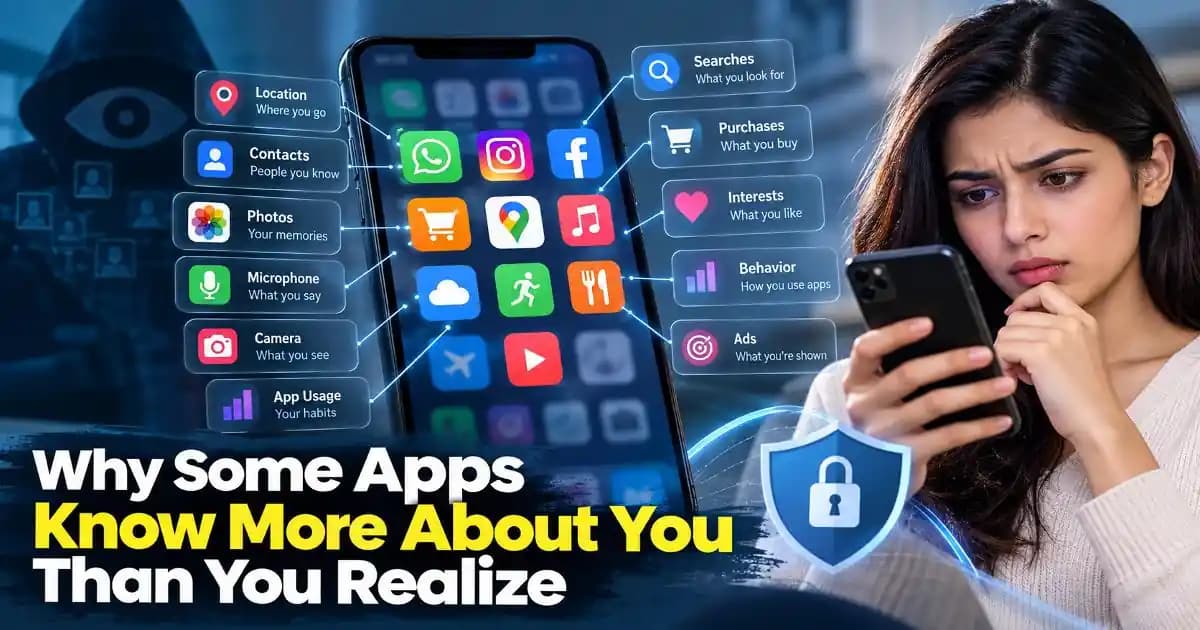
• App permissions
• Survey responses
• Loyalty programs
• Website tracking tools
While not all data brokers operate irresponsibly, their business model often revolves around aggregating and selling information.
For example, a marketing company might buy data to target ads more effectively. A recruitment firm may purchase data to Identify potential job candidates.
In some cases, these databases eventually become searchable online.
This is why people sometimes find their personal information listed on unfamiliar websites.
Warning Signs Your Data May Already Be Circulating
Not all data exposure is obvious at first. However, certain signs may suggest that your information is appearing in more places than expected.
Unexpected Marketing Messages
Receiving emails or SMS from companies you never contacted can indicate your data has entered marketing databases.
Messages may include phrases like:
“You recently showed interest in financial services.”
“Special offer for selected users in your area.”
Even if you never interacted with the brand.
Unknown People Already Have Your Phone Number
Sometimes people receive messages like:
“Hi, is this Sarah from the design company?”
These Messages often happen because numbers circulate through professional databases or contact-sharing apps.
Your Name Appears in Search Results You Don’t Recognize
Searching your own name may reveal:
• Business directories
• Data listing websites
• Old forum posts
• Archived profiles
Many of these listings originate from older online activities.
Social Media Suggestions Feel Too Accurate
Platforms often recommend connections based on shared Contacts, uploaded address books, or behavioral data.
If someone uploads their contact list and your number appears there, the platform may suggest your profile to them.
This Happens even if you never shared your information directly.
Why Personal Data Exposure Can Be Risky
Seeing your information online may seem harmless at first. But exposure can create several indirect risks.
For example, Scammers often combine small pieces of personal data to build convincing Messages.
If someone knows your:
• Name
• Phone number
• City
• Workplace
They can craft messages that appear legitimate.
A message might say:
“Hello David, this is your bank security team confirming a recent transaction.”
Even if the sender is not actually from your bank.
This type of social engineering relies on trust. When scammers know personal details, their messages sound more believable.
Another concern involves targeted phishing attacks. The more information attackers gather, the easier it becomes to impersonate services people use.
How This Problem Has Grown in 2024 and 2025
In recent months, researchers and cyberSecurity analysts have noted an increase in data exposure cases.
During 2024 and 2025, several trends became more visible.
First, the number of large-scale data breaches continued to rise. When companies experience security incidents, customer information sometimes becomes part of leaked databases.
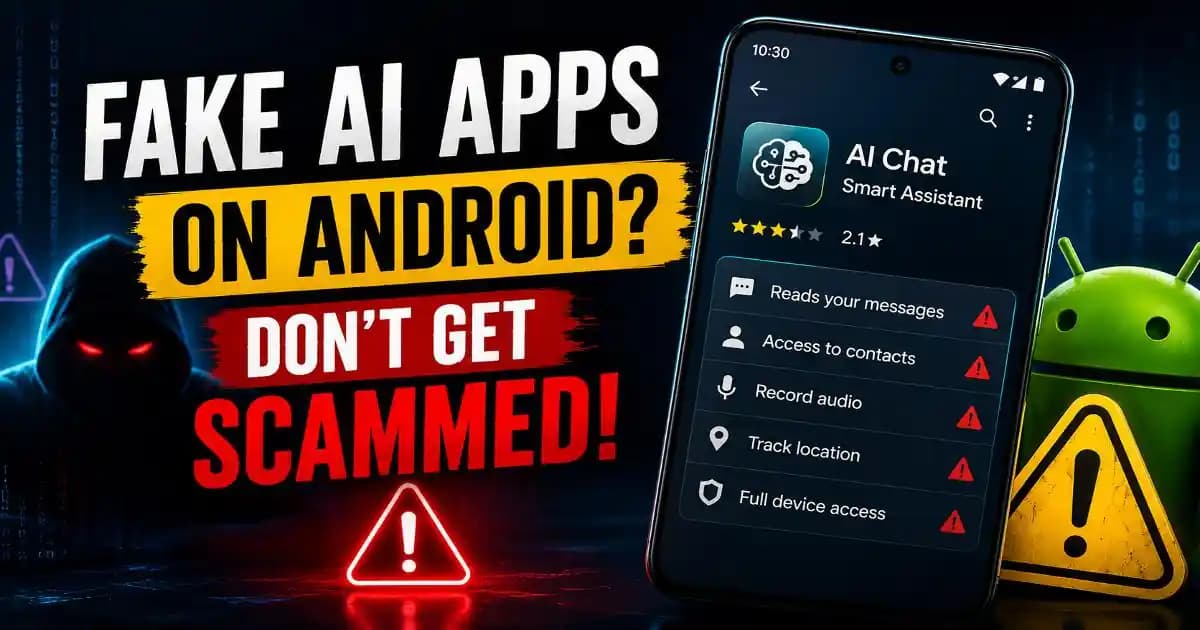
Second, mobile apps have expanded their Data Collection practices. Many apps Request Permissions that allow them to gather behavioral insights and user preferences.
Third, the global digital Advertising ecosystem has grown more complex. Multiple intermediaries may process user data Before ads appear.
These overlapping systems make it harder for users to track where their information travels.
Even when companies follow legal data practices, the overall network of data sharing remains extensive.
Practical Steps to Reduce Personal Data Exposure
While it’s impossible to eliminate all online data exposure, a few habits can significantly reduce the risks.
Be Careful When Sharing Phone Numbers
Many websites request phone numbers for convenience or Verification. However, not every service truly needs that information.
If a number isn’t required, consider skipping the field.
Review App Permissions Regularly
Mobile apps sometimes request access to:
• Contacts
• Location
• Files
• Call logs
Checking app Permissions every few months can help limit unnecessary data collection.
Avoid Oversharing on Public Profiles
Details such as workplace, phone number, and home city may seem harmless individually. But combined together, they create a detailed digital profile.
Keeping some information private reduces exposure.
Use Separate Emails for Different Purposes
Some users maintain one email for personal communication and another for online registrations. This helps limit how widely a primary email address circulates.
Periodically Search Your Own Name
A simple search can reveal where your information appears online. If you find unwanted listings, many websites provide removal requests.
Awareness Is the First Step Toward Better Privacy
Personal data exposure online is often not the result of a single mistake. Instead, it happens gradually as information moves across digital platforms.
Every app download, website registration, and online purchase adds another small piece to the puzzle.
Most of the time, this data is used for advertising, analytics, or service improvements. But the same information can also make scams more convincing or Privacy harder to control.
The goal is not to avoid technology. Modern digital life depends on apps, websites, and online services.
The real goal is awareness.
When people understand how personal data moves across the internet, they can make smarter choices about what they shareand where.
FAQ
Why does my personal information appear on websites I never visited?
Your information may come from public records, previous online Accounts, marketing databases, or data brokers that collect information from multiple sources.
Can apps share my personal data with other companies?
Some Apps share anonymized or aggregated data with partners for advertising or analytics. However, excessive permissions or poorly managed services can increase exposure.
Is it possible to remove my personal data from websites?
Many data listing websites allow users to submit removal requests. The process varies by platform but often involves Verifying your identity.
How do scammers use exposed personal data?
Scammers often combine personal details such as name, phone number, or workplace to create convincing phishing messages or impersonate trusted organizations.